
Standing Desk Routine
If you spend long hours sitting, you might notice discomfort or strain in your back. Chiropractors often recommend a standing desk routine to combat these issues. By promoting better posture and spinal alignment, standing desks can help alleviate that pesky pain. But there’s more to it than just comfort. Understanding the full range of benefits can transform your workday and overall health. Curious about how to make this transition smoothly?
Key Takeaways
– Chiropractors recommend standing desks to improve spinal alignment, reducing back pain and discomfort caused by prolonged sitting.
– Standing desks encourage a natural posture, minimizing hunching tendencies and promoting better overall posture.
– Enhanced blood circulation from standing desks boosts energy levels, reducing fatigue and increasing productivity.
– Regular use of standing desks engages core muscles, providing better support for the spine and enhancing spinal health.
– Transitioning to a standing desk may lower the risk of chronic diseases associated with sedentary lifestyles, promoting long-term health benefits.
The Impact of Prolonged Sitting on Health
As you sit for prolonged periods, your body can start to pay the price. You may experience nagging back pain, tight hips, and even discomfort in your neck and shoulders.
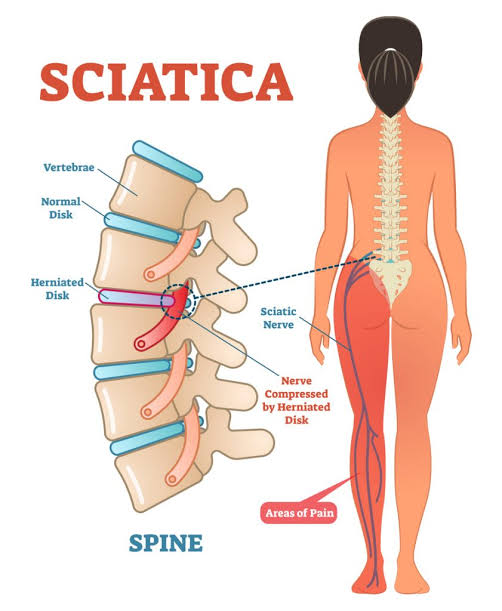
Sitting compresses your spine and can lead to misalignments that chiropractors often see in their patients. Over time, this poor posture can contribute to chronic issues, affecting your overall health. You might also notice decreased energy levels, as extended sitting can slow circulation and reduce muscle engagement.
This stagnation doesn’t just impact your body; it can also affect your focus and productivity. To combat these effects, incorporating movement throughout your day is crucial. Regular breaks and stretching can help alleviate some of the strain caused by long hours of sitting.
Benefits of Standing Desks for Posture
Using a standing desk can significantly improve your spinal alignment, promoting better posture throughout the day.
You’ll likely notice a reduction in back pain as you shift from a seated to a standing position.
This simple change might make a big difference in how you feel while working.
Improved Spinal Alignment
When you incorporate a standing desk into your routine, you can experience significant improvements in spinal alignment.
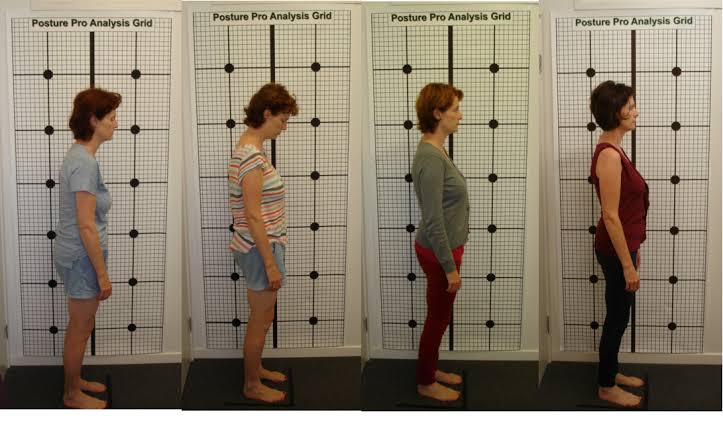
Standing encourages you to maintain a more natural posture, which helps keep your spine in its optimal position. You’ll find that your shoulders relax and your head aligns more vertically, reducing the tendency to hunch over. This upright stance engages your core muscles, supporting your spine and distributing your weight evenly.
As a result, you’ll likely notice less strain on your back and neck. Additionally, standing desks promote movement, which can further enhance spinal health.
Reduced Back Pain
Standing desks not only promote better spinal alignment but also play a significant role in reducing back pain.
When you switch to a standing desk, you engage your core muscles more effectively, which helps support your spine and alleviates pressure on your lower back. You’ll find that standing encourages better posture, reducing the strain that often leads to discomfort.
Additionally, standing encourages movement throughout your day, which can increase blood flow and reduce muscle stiffness. By incorporating a standing desk routine, you’re likely to notice a decrease in chronic back pain over time.
Plus, it offers a refreshing change from sitting, making you feel more energized and focused. Your back will thank you!
Enhanced Circulation and Reduced Fatigue
When you switch to a standing desk, you’ll likely notice improved blood flow throughout your body.
This enhanced circulation can boost your energy levels, helping you stay alert and focused.
As a result, you might find yourself experiencing less fatigue during long work hours.
Improved Blood Flow
Improved blood flow is one of the key benefits of incorporating a standing desk into your routine, as it helps enhance circulation and reduce fatigue.
When you stand rather than sit for long periods, your heart pumps more efficiently, delivering oxygen-rich blood throughout your body. This increased circulation can help alleviate the stiffness and discomfort often associated with prolonged sitting.
You may find that your legs feel lighter and more energized, making it easier to focus on tasks. Plus, standing encourages micro-movements, which further stimulates blood flow.
These small adjustments can keep your muscles engaged and reduce the risk of cramping. By prioritizing improved blood flow, you’re actively supporting your overall well-being and productivity throughout the day.
Increased Energy Levels
Boosting circulation naturally leads to increased energy levels, making it easier to power through your day.
When you stand while working, your heart pumps more efficiently, delivering oxygen and nutrients to your muscles and brain. This heightened blood flow helps combat fatigue and enhances focus, allowing you to tackle tasks with renewed vigor.
You might notice that you’re less likely to experience that mid-afternoon slump that often comes with prolonged sitting. Plus, standing can stimulate your metabolism, further fueling your energy levels.
By incorporating a standing desk routine, you’re not just improving your posture; you’re also setting the stage for a more vibrant, energetic workday.
Embrace this change, and feel the difference it makes in your overall productivity and well-being.
Increased Energy Levels and Productivity
As you transition to a standing desk routine, you might notice a significant uptick in your energy levels and productivity. Standing while you work encourages better circulation and decreases feelings of fatigue.
You’ll likely find that you’re more alert and focused, which can lead to completing tasks faster. Moreover, the increase in energy can enhance your creativity and problem-solving skills, helping you tackle challenges more efficiently.
You may even discover that you’re more inclined to take short breaks for movement, keeping your mind fresh and your body engaged. Incorporating a standing desk into your daily routine can transform the way you approach work, making it easier to stay motivated and productive throughout the day.
Standing Desks and Weight Management
The benefits of using a standing desk extend beyond just increased energy and productivity; they can also play a significant role in weight management. When you stand rather than sit, you naturally burn more calories throughout the day. This increase in calorie expenditure can help you maintain or lose weight over time.
Plus, standing desks encourage you to move more, whether it’s shifting your weight, pacing, or taking short breaks to stretch. These small actions add up, contributing to your overall activity level.
Promoting Better Spine Health
While many people focus on the benefits of productivity and weight management, promoting better spine health is another crucial advantage of using a standing desk.
When you stand while working, you naturally encourage better posture, reducing the strain on your spine. This position helps distribute your weight more evenly, alleviating pressure on your discs and joints.
You’re less likely to slouch, which can lead to long-term issues like chronic pain or spinal misalignment. Additionally, standing promotes active engagement of your core muscles, further supporting your spine.
Customizing Your Standing Desk Setup
How can you ensure your standing desk setup maximizes comfort and efficiency?
Start by adjusting the desk height so your elbows are at a 90-degree angle when typing. Your screen should be eye-level, about an arm’s length away, reducing strain on your neck.
Invest in an anti-fatigue mat to support your feet and enhance comfort. Keep your mouse and keyboard close, ensuring they’re on the same plane to promote proper wrist alignment.
Consider using a footrest to shift your weight and relieve pressure on your lower back. Personalize your space with items that inspire you, but avoid clutter.
Lastly, don’t forget to regularly reassess your setup as your needs change, ensuring you maintain optimal posture throughout your workday.
Incorporating Movement Into Your Day
Maintaining a well-adjusted standing desk is just the first step toward a healthier work routine.
To truly enhance your day, incorporate movement into your schedule. Set a timer to remind yourself to take short breaks every hour. During these breaks, stretch, walk around, or do a few quick exercises like squats or lunges.
Even simple movements, like shifting your weight or doing calf raises, can make a difference. If possible, consider using a walking pad while you work.
Remember, it’s not just about standing; it’s about being active. Engaging in movement keeps your energy levels up and reduces stiffness, making you more productive.
Transitioning to a Standing Desk Routine
As you embark on your journey to a standing desk routine, it’s essential to ease into this new setup to avoid discomfort and fatigue.
Start by standing for just 20 to 30 minutes each hour, gradually increasing your standing time as your body adapts. Make sure your desk and monitor are at the right height to maintain a neutral wrist position and avoid strain.
Use an anti-fatigue mat to provide cushioning and support. Remember to shift your weight from one foot to the other and incorporate gentle stretches throughout the day.
Don’t forget to listen to your body; if you feel tired, take a break and sit down for a while. Consistency is key, so stick with it!
Frequently Asked Questions
Can Standing Desks Help Alleviate Chronic Back Pain?
Yes, standing desks can help alleviate chronic back pain by promoting better posture and reducing strain on your spine. You’ll find that alternating between sitting and standing keeps your body more engaged and comfortable throughout the day.
How Long Should I Stand Each Day?
You should aim to stand for about four to six hours each day, gradually increasing your time. It’s essential to listen to your body and take breaks to avoid fatigue and maintain comfort.
Are There Any Downsides to Using a Standing Desk?
Yes, there are downsides to using a standing desk. You might experience fatigue, discomfort, or even joint pain if you stand too long without breaks. Balancing sitting and standing is key for your overall comfort.
What Type of Shoes Are Best for Standing Desks?
For standing desks, prioritize shoes with good arch support, cushioning, and a comfortable fit. Look for sneakers or specialized footwear designed for long periods of standing. Avoid high heels or flat shoes that lack support.
How Can I Maintain Focus While Standing?
To maintain focus while standing, shift your weight occasionally, use an anti-fatigue mat, and take short breaks for movement. Staying hydrated and incorporating stretches can also boost concentration and energy throughout your workday.
Conclusion
Switching to a standing desk routine can transform your work life for the better. By reducing the risks associated with prolonged sitting, enhancing your posture, and boosting your energy levels, you’re setting yourself up for long-term health benefits. Remember to customize your setup and incorporate movement throughout your day to maximize these advantages. Embracing a standing desk isn’t just about standing; it’s about investing in your overall well-being and productivity. Start your journey to a healthier work environment today!