Can Chiropractic Care Help with Migraines?
Can Chiropractic Care help with Migraines? For some, it’s an occasional inconvenience. For others, headaches become a recurring problem that affects work, family life, sleep, and overall well-being. Migraines can be even more disruptive, often bringing intense pain, sensitivity to light, nausea, and an inability to function normally.
What surprises many people is that not all headaches originate in the head. In fact, issues involving the neck, posture, muscles, and spinal function can sometimes contribute to recurring headache symptoms. This is one reason why chiropractic care has gained attention as a non-invasive option for individuals seeking headache relief.
While chiropractic treatment is not a cure for every type of headache or migraine, it may help address underlying musculoskeletal factors that contribute to discomfort. Understanding the connection between spinal health and headaches can help you determine whether chiropractic care may be worth exploring.
Looking for an experienced chiropractor near you? Visit Local Chiropractors List to connect with trusted professionals in your area.
Featured Snippet: Can a Chiropractor Help with Headaches and Migraines?
Chiropractors may help individuals experiencing certain types of headaches by addressing spinal dysfunction, muscle tension, posture problems, and neck-related issues. Chiropractic care focuses on improving mobility, reducing mechanical stress, and supporting overall musculoskeletal health, which may contribute to headache relief for some patients.
Understanding the Different Types of Headaches
Not all headaches are the same. Identifying the type of headache you’re experiencing is an important first step toward finding effective treatment.
Tension Headaches
Tension headaches are among the most common headache types. They often feel like a tight band around the head and may be associated with stress, muscle tension, poor posture, and neck strain.
Cervicogenic Headaches
Cervicogenic headaches originate from dysfunction in the neck. Pain may begin in the cervical spine and radiate toward the head, forehead, or behind the eyes.
Migraines
Migraines are more complex neurological events that may involve severe pain, visual disturbances, nausea, and sensitivity to light or sound.
Cluster Headaches
Cluster headaches are relatively rare but extremely painful headaches that occur in cyclical patterns.
According to information available through Wikipedia’s Headache Resource, headaches affect billions of people globally and remain one of the most common health complaints worldwide.
The Connection Between the Neck and Headaches
One aspect of headaches that often gets overlooked is the role of the cervical spine.
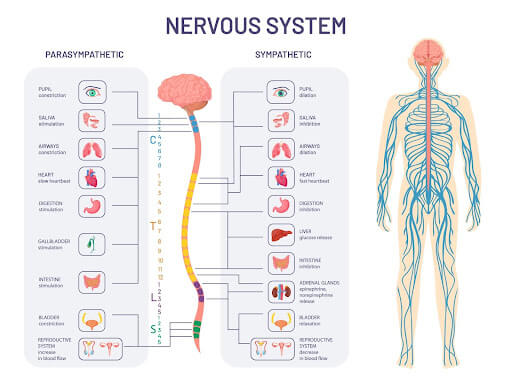
The neck contains muscles, joints, nerves, and connective tissues that can influence head pain. When these structures become irritated or dysfunctional, they may contribute to headache symptoms.
Common contributing factors include:
- Poor posture
- Forward head position
- Neck stiffness
- Muscle tension
- Restricted joint mobility
- Workstation ergonomics
- Prolonged screen time
Many office workers and remote employees experience headaches that are directly related to these issues.
Why Modern Lifestyles Are Fueling More Headaches
Think about how much time most people spend looking down at devices every day.
Smartphones, laptops, tablets, and desktop monitors all encourage forward head posture. Over time, this places additional stress on the muscles and joints of the neck.
I’ve spoken with many professionals who initially blamed stress for their headaches, only to discover that posture and neck tension were major contributing factors.
If you spend long hours at a desk, finding a chiropractor through trusted chiropractic directories may help you identify whether spinal health is playing a role in your symptoms.
How Chiropractic Care May Help with Headaches
1. Evaluating Spinal Function
Chiropractors perform comprehensive evaluations that often include:
- Health history review
- Posture assessment
- Spinal examination
- Movement testing
- Range-of-motion evaluation
This process helps identify musculoskeletal factors that may contribute to recurring headaches.
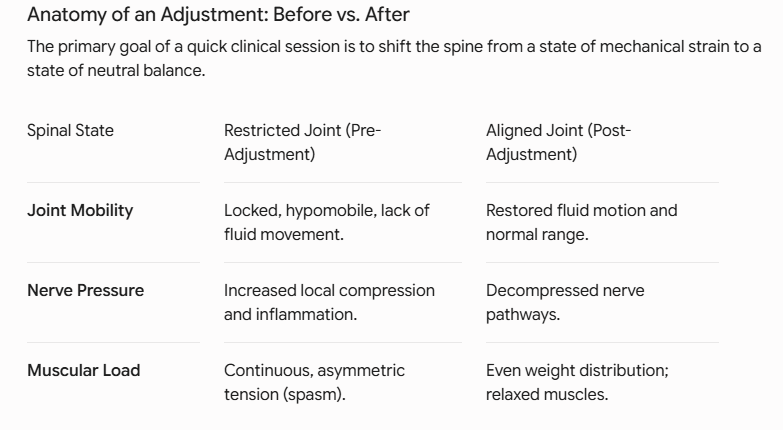
2. Improving Joint Mobility
Restricted movement in the cervical spine may contribute to muscle tension and discomfort.
Chiropractic adjustments aim to improve mobility and restore normal movement patterns where appropriate.
Many patients report reduced neck stiffness and improved comfort following treatment.
3. Reducing Muscle Tension
Muscle tightness in the neck, shoulders, and upper back is commonly associated with tension headaches.
Chiropractors frequently address these areas through various manual therapy techniques and rehabilitation strategies.
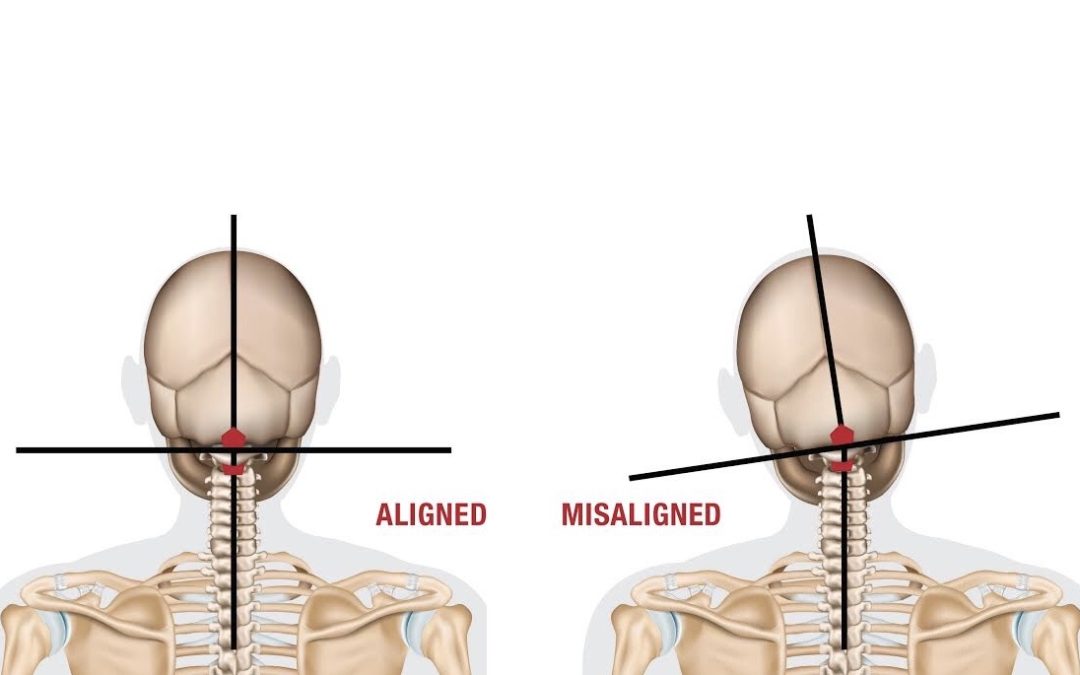
4. Improving Posture
Posture correction is often a major component of chiropractic care.
Common posture-related issues include:
- Forward head posture
- Rounded shoulders
- Upper back stiffness
- Poor workstation positioning
Improving alignment may help reduce stress on the structures involved in headache development.
5. Lifestyle and Ergonomic Guidance
Many chiropractors provide recommendations related to:
- Desk setup
- Monitor positioning
- Stretching routines
- Exercise habits
- Sleep posture
- Daily movement patterns
These practical changes often complement in-office treatment.
Chiropractic Care vs Temporary Headache Relief
| Factor | Temporary Relief Methods | Chiropractic Care |
|---|---|---|
| Symptom Relief | Yes | Yes |
| Posture Assessment | No | Yes |
| Neck Evaluation | Rare | Yes |
| Movement Analysis | No | Yes |
| Drug-Free Approach | Not Always | Yes |
| Long-Term Prevention Focus | Limited | Often Included |
Can Chiropractic Care Help with Migraines?
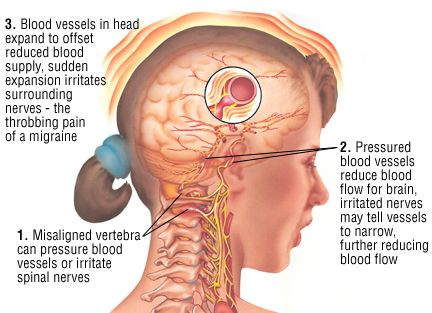
Migraines are complex neurological conditions with multiple potential triggers.
While chiropractic care does not claim to cure migraines, some individuals seek treatment because neck dysfunction, posture issues, and musculoskeletal tension may contribute to migraine frequency or severity.
A comprehensive healthcare evaluation is always recommended when dealing with recurring migraines.
Warning Signs That Should Not Be Ignored
Although many headaches are relatively harmless, certain symptoms require immediate medical attention.
Seek emergency care if headaches are accompanied by:
- Sudden severe pain
- Vision loss
- Confusion
- Difficulty speaking
- Loss of consciousness
- Neurological symptoms
Always consult a healthcare professional if you’re unsure about the cause of your headaches.
You can also explore qualified providers through Local Chiropractors List directory to determine whether chiropractic evaluation may be appropriate.
Who May Benefit Most from Chiropractic Care?
Chiropractic care may be particularly beneficial for individuals who:
- Experience tension headaches
- Have chronic neck stiffness
- Work long hours at a computer
- Struggle with posture-related discomfort
- Experience headaches after prolonged sitting
- Want a drug-free treatment option
The key is identifying whether musculoskeletal factors are contributing to your symptoms.
Frequently Asked Questions
Can chiropractors treat migraines?
Chiropractors may help address musculoskeletal factors that contribute to migraines, but migraines often involve multiple triggers and should be evaluated by appropriate healthcare professionals.
Can neck problems cause headaches?
Yes. Cervicogenic headaches originate from dysfunction in the neck and are commonly associated with poor posture and cervical spine issues.
How many chiropractic visits are needed for headache relief?
The number of visits varies depending on symptom severity, underlying causes, and individual treatment goals.
Is chiropractic care safe for headaches?
When provided by a licensed chiropractor, treatment is generally considered safe for many musculoskeletal conditions.
Can posture improvement reduce headaches?
Improved posture may reduce strain on neck muscles and joints, potentially decreasing headache frequency for some individuals.
Final Thoughts
Recurring headaches and migraines can significantly affect daily life, productivity, and overall well-being. While medications may provide temporary relief, understanding and addressing contributing factors is often essential for long-term management.
For individuals whose headaches are linked to neck dysfunction, posture issues, muscle tension, or spinal mechanics, chiropractic care may offer a valuable non-invasive treatment option. Combined with healthy lifestyle habits and proper medical evaluation when necessary, chiropractic care can play an important role in a comprehensive headache management strategy.
Ready to explore a natural approach to headache relief? Visit LocalChiropractorsList.com today to find trusted chiropractors near you, compare providers, and take the first step toward improved spinal health and greater comfort.