
What to Expect During First Visit to a Chiropractor
Walking into a First Visit to a Chiropractor, and office for the first time can feel a little intimidating. You may have questions running through your mind. Will it hurt? What happens during an adjustment? Do I need X-rays? How long does an appointment take?
The truth is that most first-time chiropractic patients leave their initial visit saying the experience was much simpler than they expected. Whether you’re seeking relief from back pain, neck discomfort, headaches, poor posture, or general mobility issues, understanding the process beforehand can help you feel more confident and prepared.
I’ve spoken with many people who delayed scheduling an appointment simply because they didn’t know what would happen during the visit. Once they understood the process, they wished they had gone sooner.
This guide walks you through every stage of a typical first chiropractic appointment, from paperwork and consultation to examination, treatment recommendations, and follow-up care.
Ready to find a trusted chiropractor near you? Visit Local Chiropractors List to compare qualified professionals in your area.
Featured Snippet: What Happens During Your First Chiropractic Visit?
During your first chiropractic visit, the chiropractor typically reviews your medical history, discusses your symptoms, performs a physical examination, evaluates posture and mobility, and develops a personalized treatment plan. Depending on your condition, treatment may begin during the initial appointment.
Why People Visit Chiropractors
Before discussing the appointment itself, it’s helpful to understand why people seek chiropractic care in the first place.
Some of the most common reasons include:
- Lower back pain
- Neck pain
- Sciatica
- Headaches
- Poor posture
- Joint discomfort
- Sports injuries
- Work-related strain
- Mobility limitations
Many patients are looking for a non-invasive, drug-free approach to managing musculoskeletal issues and improving overall function.
For additional information about chiropractic care, visit Wikipedia’s Chiropractic Resource.
Step 1: Completing Patient Forms
Like most healthcare appointments, your first chiropractic visit usually begins with paperwork.
You may be asked to provide information regarding:
- Current symptoms
- Medical history
- Past injuries
- Previous surgeries
- Medications
- Lifestyle habits
- Occupation
- Exercise routine
This information helps the chiropractor understand your health background and identify factors that may be contributing to your condition.
Step 2: Initial Consultation
After reviewing your paperwork, the chiropractor will typically conduct a one-on-one consultation.
This conversation often includes questions such as:
- When did your symptoms begin?
- What activities worsen the pain?
- What makes symptoms feel better?
- Have you received previous treatment?
- Are there any associated symptoms?
The goal isn’t simply to identify where it hurts. Chiropractors aim to understand why the issue may have developed.
Patients looking for experienced practitioners can explore trusted chiropractic professionals near them through Local Chiropractors List.
Step 3: Physical Examination
The examination phase is one of the most important parts of your first visit.
Depending on your symptoms, the chiropractor may evaluate:
- Posture
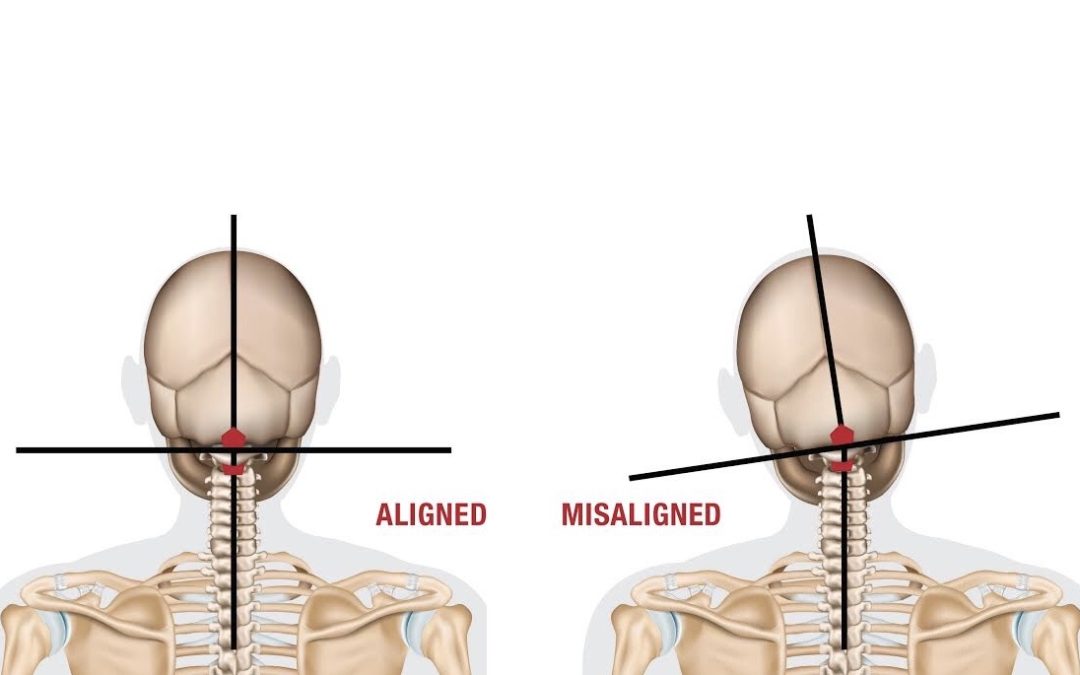
- Spinal alignment
- Joint mobility
- Muscle strength
- Range of motion
- Balance
- Reflexes
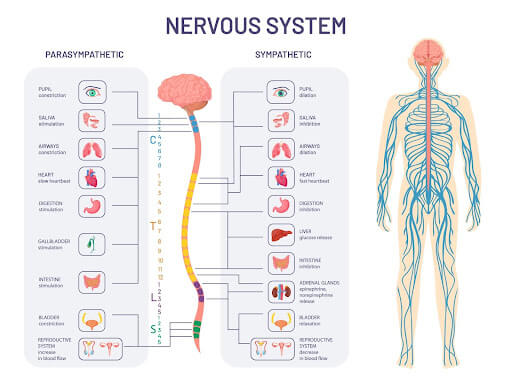
- Neurological function
These assessments help identify movement restrictions, muscle imbalances, and other factors contributing to discomfort.
Step 4: Posture Assessment
One aspect of chiropractic care that often surprises first-time patients is the emphasis placed on posture.
Modern lifestyles create numerous posture-related challenges, including:
- Forward head posture
- Rounded shoulders
- Slouched sitting positions
- Pelvic imbalances
- Uneven weight distribution
Because posture can influence pain and movement patterns, many chiropractors perform detailed posture evaluations during the first appointment.
Step 5: Diagnostic Imaging (If Necessary)
Not every patient requires imaging studies.
However, depending on your symptoms and medical history, the chiropractor may recommend:
- X-rays
- MRI scans
- CT scans
- Other diagnostic testing
These tools can provide additional information about spinal structures and help guide treatment decisions.
Step 6: Discussion of Findings
After completing the examination, the chiropractor will explain their findings.
This is often one of the most valuable parts of the appointment because patients gain a better understanding of what may be causing their symptoms.
The chiropractor may discuss:
- Spinal function
- Movement restrictions
- Posture concerns
- Contributing lifestyle factors
- Potential treatment options
Good communication is essential. Don’t hesitate to ask questions during this stage.
Step 7: Your Personalized Treatment Plan
Every patient is different.
A personalized treatment plan may include:
- Chiropractic adjustments
- Mobilization techniques
- Stretching exercises
- Strengthening programs
- Posture correction strategies
- Ergonomic recommendations
- Lifestyle modifications
The plan should align with your specific condition, goals, and overall health status.
You can compare providers offering customized treatment plans through Local Chiropractors List directory.
Will You Receive Treatment During the First Visit?
Many patients wonder whether treatment begins immediately.
In many cases, yes.
However, treatment depends on:
- Your diagnosis
- Medical history
- Examination findings
- Safety considerations
Some chiropractors perform adjustments during the first visit, while others may schedule treatment after reviewing additional information.
What Does a Chiropractic Adjustment Feel Like?
This is probably one of the most common questions asked by new patients.
Most adjustments are quick and involve controlled movements applied to specific joints.
Patients often describe the sensation as:
- A brief pressure release
- A popping sound similar to cracking knuckles
- Improved mobility afterward
- Temporary soreness in some cases
Experiences vary depending on the individual and the techniques used.
First Visit vs Follow-Up Visits
| Aspect | First Visit | Follow-Up Visits |
|---|---|---|
| Health History Review | Extensive | Brief Updates |
| Physical Examination | Comprehensive | Focused Reassessment |
| Treatment Planning | Detailed | Progress Monitoring |
| Posture Assessment | Often Included | As Needed |
| Adjustment | Sometimes | Common |
| Appointment Length | Longer | Usually Shorter |
Tips for Getting the Most Out of Your First Appointment
To maximize the value of your visit:
- Arrive early
- Bring relevant medical records
- Wear comfortable clothing
- Be honest about symptoms
- Ask questions
- Discuss treatment goals
- Follow post-visit recommendations
The more information you provide, the better your chiropractor can tailor recommendations to your needs.
Common Misconceptions About Chiropractic Care
“Chiropractors Only Treat Back Pain”
Many chiropractors address a wide range of musculoskeletal concerns, including neck pain, posture issues, headaches, and mobility limitations.
“Adjustments Are Painful”
Most patients report little to no discomfort during treatment. Experiences vary based on individual circumstances.
“One Visit Fixes Everything”
While some patients notice immediate improvements, long-term results often require consistent care and lifestyle changes.
Frequently Asked Questions
How long does the first chiropractic appointment take?
Most initial visits last between 30 and 60 minutes, depending on the complexity of the case.
Should I bring medical records?
Yes. Previous imaging reports, treatment records, and medication information may help the chiropractor better understand your condition.
Do chiropractors take X-rays during the first visit?
Not always. Imaging is typically recommended only when clinically necessary.
Can I ask questions during the appointment?
Absolutely. A good chiropractor encourages patients to understand their condition and treatment options.
Will I need multiple visits?
The number of visits depends on your diagnosis, goals, and individual response to treatment.
Final Thoughts
Your first chiropractic visit is designed to be informative, thorough, and focused on understanding your specific health concerns. Rather than simply treating symptoms, chiropractors aim to identify contributing factors and develop personalized strategies that support long-term wellness.
Whether you’re dealing with back pain, neck stiffness, posture problems, headaches, or mobility limitations, understanding what to expect can make the experience far less intimidating.
Ready to schedule your first chiropractic appointment? Visit LocalChiropratorsList.com today to find trusted chiropractors near you, compare providers, and take the first step toward improved spinal health and better overall well-being.