
Myths About Chiropractic Care Debunked
Chiropractic care Debunked has become a trusted and effective healthcare option for millions of people seeking relief from pain, stiffness, and mobility issues. Yet, despite its growing popularity, many myths and misconceptions still surround the practice. These myths often prevent people from exploring chiropractic treatment or fully understanding its benefits.
In this article, we’ll break down five of the most common myths about chiropractic care, explain the truth behind each one, and help you make informed decisions about your health.
Myth 1: Chiropractors Aren’t Real Doctors
The Truth About Chiropractic Education and Licensing
One of the most persistent myths is that chiropractors aren’t “real” doctors. While it’s true that chiropractors are not medical doctors (MDs), they are licensed healthcare professionals who undergo rigorous training and education. Chiropractors earn a Doctor of Chiropractic (DC) degree, which typically requires four years of undergraduate study and four to five years at an accredited chiropractic college.
Chiropractic students study anatomy, physiology, neurology, radiology, orthopedics, and clinical diagnostics—often logging thousands of hours in the classroom and clinic. Additionally, chiropractors must pass national board exams and obtain a state license to practice.
In short, chiropractors are real doctors, just with a different focus. They specialize in diagnosing and treating musculoskeletal conditions, particularly those involving the spine, nervous system, and joints.
Their Scope Is Different, Not Inferior
While chiropractors do not prescribe medications or perform surgery, their training is uniquely suited to help patients manage conditions like back pain, neck pain, headaches, and more—often without invasive procedures or pharmaceuticals. This makes chiropractic care a valuable, complementary approach to traditional medicine.
Myth 2: Chiropractic Adjustments Are Dangerous
Are Spinal Adjustments Safe?
The idea that spinal adjustments are inherently risky has been exaggerated, largely due to misinformation or isolated incidents. In reality, chiropractic adjustments are generally very safe when performed by a licensed professional. Numerous studies and systematic reviews have shown that the risks associated with spinal manipulation are extremely low, especially when compared to the risks of long-term pain medication use or surgery.
Understanding the Risk Factors
Like any form of healthcare, chiropractic care isn’t completely without risks. In rare cases, patients may experience temporary soreness or discomfort after an adjustment, similar to what you might feel after starting a new workout routine. Serious complications, such as herniated discs or stroke, are exceedingly rare, and chiropractors are trained to screen for any potential red flags before beginning treatment.
If you have concerns, talk openly with your chiropractor. They can explain the techniques used and discuss how they tailor adjustments to your unique needs and medical history.
Myth 3: Once You Start Going, You’ll Always Have to Go
Is Chiropractic Care Addictive?
Another common misconception is that once you visit a chiropractor, you’ll be stuck going forever. This myth likely comes from misunderstanding how maintenance care works.
Here’s the truth: you’re always in control of your care plan. Chiropractic treatment is typically broken down into three phases:
-
Relief care to address pain or acute issues
-
Corrective care to restore function and alignment
-
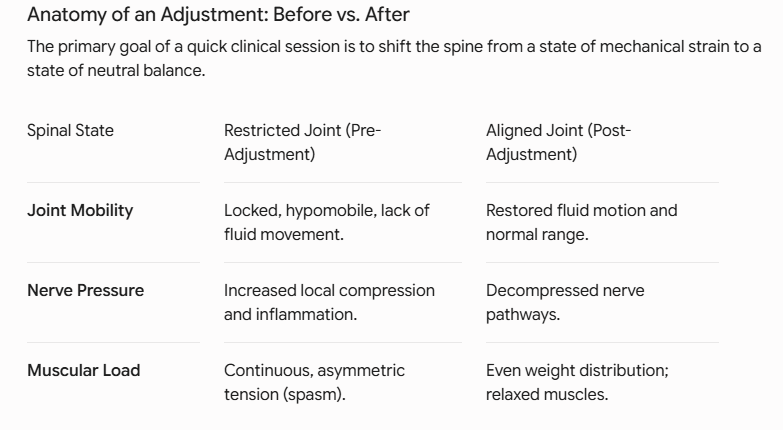
Wellness or maintenance care to prevent future problems
Some patients choose to continue with periodic adjustments because they feel better, move more freely, and experience fewer flare-ups. But that decision is completely voluntary. Chiropractors provide recommendations, not mandates.
You Can Come and Go As Needed
Many people visit a chiropractor for a specific injury or issue and stop once they feel better. Others continue care because they see it as part of their overall wellness routine, like regular exercise or dental cleanings. Chiropractic care isn’t habit-forming, nor does it create dependency. It’s a flexible tool that you can use on your own terms.
Myth 4: Chiropractic Care Is Only for Back Pain
A Broader Scope of Practice
While it’s true that chiropractors are best known for treating back pain, their scope of care goes well beyond the spine. Chiropractic techniques can help address a wide range of conditions, including:
-
Neck pain and stiffness
-
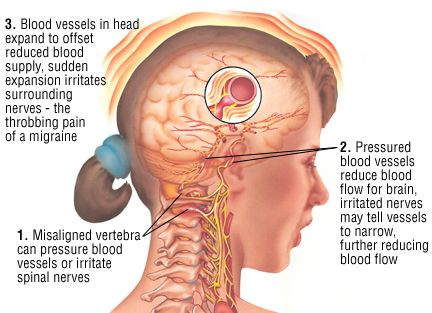
Migraines and tension headaches
-
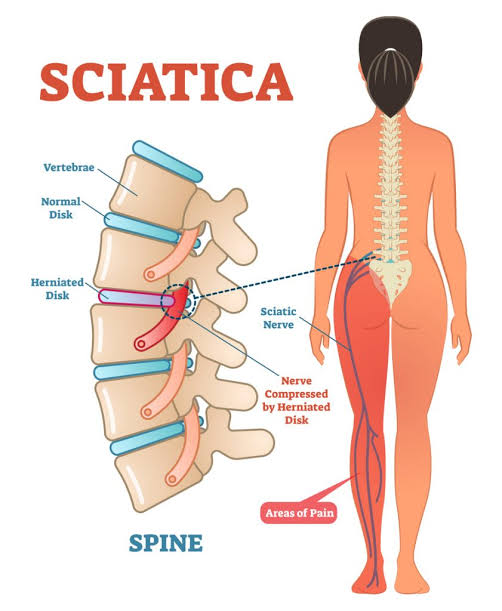
Sciatica and nerve pain
-
Joint issues (shoulders, hips, knees, wrists)
-
Sports injuries
-
Postural imbalances
-
Prenatal discomfort and pelvic alignment
Chiropractors assess how the spine and nervous system affect overall body function, and many incorporate complementary therapies like soft tissue work, corrective exercises, ergonomic coaching, and lifestyle counseling.
Whole-Body Wellness
Many patients report improvements in sleep, digestion, focus, energy levels, and stress management as a result of chiropractic care. Why? Because your nervous system controls every function in your body. When spinal alignment is optimized, the communication between your brain and body can improve, enhancing your overall quality of life.
Myth 5: There’s No Scientific Evidence Supporting Chiropractic
What Does the Research Say?
This is one of the most damaging myths, and it’s simply not true. There is a substantial and growing body of scientific research supporting the efficacy and safety of chiropractic care—especially for musculoskeletal conditions like low back pain, neck pain, and tension headaches.
For example:
-
The American College of Physicians recommends spinal manipulation as a first-line treatment for acute and chronic low back pain.
-
A 2017 review in the Journal of the American Medical Association (JAMA) found that spinal manipulation therapy is associated with significant improvements in pain and function for acute low back pain.
-
Studies also suggest that chiropractic care may reduce the need for opioid pain medications by offering a non-pharmacologic alternative.
Evidence-Based Practice
Most chiropractors today practice evidence-informed care, which means they use the best available research, clinical experience, and patient preferences to guide treatment. Modern chiropractic care is data-driven, patient-centered, and always evolving with new research.
Frequently Asked Questions About Chiropractic Care
Q: Is chiropractic care safe for children?
A: Yes, chiropractic care can be safe and beneficial for children. Pediatric chiropractors use gentle techniques tailored to a child’s developing spine and nervous system. It can help with issues like colic, sleep disturbances, and poor posture.
Q: Can chiropractic help with posture correction?
A: Absolutely. Chiropractors often address postural issues caused by prolonged sitting, poor ergonomics, or tech neck. They use adjustments, exercises, and posture coaching to restore alignment and reduce strain on the body.
Q: Will I feel pain during an adjustment?
A: Most adjustments are painless and provide immediate relief. You might hear a “popping” sound, which is simply gas being released from the joint. Any soreness afterward is usually mild and temporary.
Q: How often should I see a chiropractor?
A: It depends on your goals and condition. Some patients benefit from weekly visits during acute phases, followed by monthly maintenance. Your chiropractor will recommend a schedule based on your needs, but it’s always your choice.
Q: Do I need a referral to see a chiropractor?
A: In most cases, no referral is needed. Chiropractors are primary care providers for musculoskeletal health, and you can book an appointment directly.
Conclusion: Don’t Let Myths Stand in the Way of Better Health
Chiropractic care continues to gain respect within the healthcare community because it offers effective, non-invasive solutions to common pain and mobility issues. Unfortunately, lingering myths can prevent people from seeking the help they need.
If you’ve been hesitant to try chiropractic due to outdated ideas or fear, we hope this article has provided the clarity you need. Chiropractors are licensed professionals who deliver evidence-based care with a focus on natural healing, patient education, and long-term wellness.
Your health journey is personal—don’t let misconceptions hold you back. Consider scheduling a consultation with a local chiropractor to learn how they can support your goals and help you live pain-free.