
How Often Should I See a Chiropractor? A Complete Guide
How often should I see a Chiropractor?” It’s a fair question. After all, nobody wants unnecessary appointments, but most people also want to recover effectively and maintain their results.
The truth is that there isn’t a one-size-fits-all answer. The ideal frequency for chiropractic visits depends on several factors, including your condition, health goals, lifestyle, age, activity level, and how your body responds to treatment.
Some people visit a chiropractor for short-term pain relief after an injury. Others incorporate chiropractic care into a long-term wellness strategy. Understanding the difference can help you make informed decisions about your care.
In this guide, we’ll break down what influences chiropractic treatment frequency, what to expect during different stages of care, and how to determine a schedule that works best for your needs.
Looking for a trusted chiropractor near you? Visit Local Chiropractors List to compare experienced professionals and find the right provider for your goals.
Featured Snippet: How Often Should You See a Chiropractor?
The frequency of chiropractic visits depends on your condition, symptoms, treatment goals, and overall health. Some patients may benefit from multiple visits per week during active treatment, while others may only require occasional maintenance visits after reaching their health objectives.
Why There Is No Universal Chiropractic Schedule
If you’ve ever searched online for chiropractic recommendations, you’ve probably seen a wide range of answers.
That’s because every patient is different.
For example:
- A person recovering from a sports injury has different needs than someone seeking wellness care.
- An office worker with chronic neck pain may require a different treatment schedule than a competitive athlete.
- A patient with recent symptoms may respond differently than someone with years of ongoing discomfort.
Chiropractors typically create individualized treatment plans rather than applying the same schedule to every patient.
For a broader understanding of chiropractic care, visit Wikipedia’s Chiropractic Resource.
Factors That Influence Chiropractic Visit Frequency
1. Severity of Symptoms
People experiencing significant pain or mobility limitations often require more frequent visits initially.
The goal during this phase is to address symptoms, improve function, and help the body recover efficiently.
2. Nature of the Condition
Certain conditions may require longer treatment periods than others.
Examples include:
- Lower back pain
- Neck pain
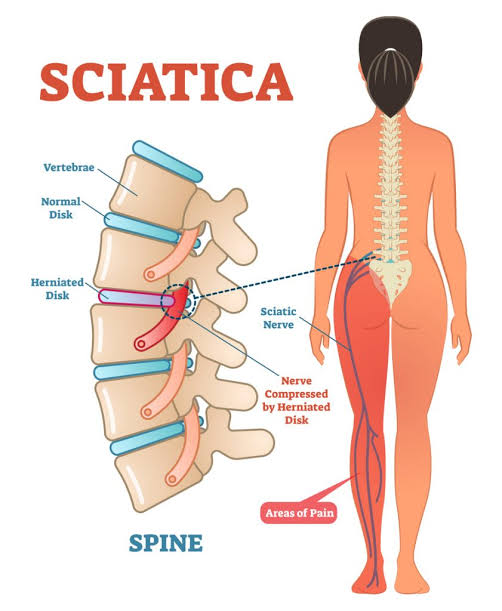
- Sciatica
- Sports injuries
- Postural dysfunction
- Joint mobility issues
The underlying cause often plays a major role in determining visit frequency.
3. Lifestyle Factors
Your daily habits matter more than many people realize.
Factors such as prolonged sitting, physically demanding work, poor posture, repetitive movements, and high stress levels can influence how quickly symptoms improve.
Many patients discover that lifestyle changes recommended by their chiropractor are just as important as the adjustments themselves.
You can find experienced providers who emphasize long-term wellness through Local Chiropractors List.
4. Health Goals
Not everyone seeks chiropractic care for the same reason.
Common goals include:
- Pain relief
- Improved mobility
- Posture correction
- Sports performance support
- Injury prevention
- General wellness
Your goals help determine how frequently you may benefit from visits.
The Different Phases of Chiropractic Care
Most chiropractic treatment plans can be divided into three general phases.
Phase 1: Relief Care
This phase focuses on reducing pain and addressing immediate concerns.
Patients may visit more frequently during this stage because symptoms are often at their worst.
Goals include:
- Reducing discomfort
- Improving mobility
- Supporting healing
- Restoring function
Phase 2: Corrective Care
Once symptoms improve, treatment often shifts toward correcting underlying issues.
This stage may involve:
- Posture improvement
- Mobility restoration
- Strengthening exercises
- Movement retraining
Visit frequency often decreases compared to the initial relief phase.
Phase 3: Maintenance and Wellness Care
Many patients choose ongoing wellness visits after achieving their primary goals.
The purpose is to help maintain spinal function, mobility, and healthy movement patterns.
Maintenance schedules vary significantly from person to person.
Typical Chiropractic Visit Frequency Examples
| Patient Type | Possible Visit Frequency | Primary Goal |
|---|---|---|
| Acute Pain Patient | Multiple visits per week initially | Symptom relief |
| Posture Correction Patient | Weekly or biweekly initially | Structural improvement |
| Sports Injury Recovery | Varies by injury severity | Recovery and performance |
| Maintenance Care Patient | Monthly or periodic visits | Wellness and prevention |
| General Wellness Patient | As recommended individually | Long-term health support |
How Long Does Chiropractic Treatment Usually Last?
Another common question is whether chiropractic care is short-term or lifelong.
The answer depends largely on personal goals.
Some patients seek treatment for a specific issue and stop once symptoms improve. Others continue periodic visits because they feel chiropractic care helps them maintain mobility and overall physical well-being.
There is no universal requirement for ongoing treatment. Decisions should be based on individual needs and informed discussions with your chiropractor.
Signs You May Benefit from More Frequent Visits
You may need more consistent care if you experience:
- Recurring pain
- Persistent stiffness
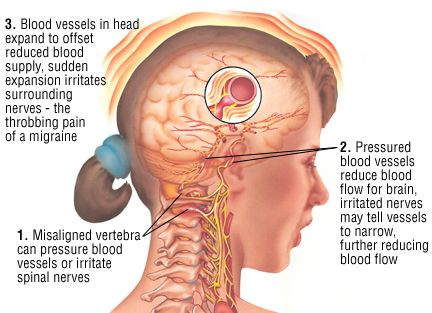
- Frequent headaches
- Reduced mobility
- Recent injury
- Postural problems
- Physically demanding work
A professional assessment can help determine the most appropriate schedule.
You can compare chiropractors specializing in personalized treatment plans through Local Chiropractors List directory.
Signs You May Need Fewer Visits
Some individuals reach a point where symptoms are well-managed and mobility has significantly improved.
In these situations, chiropractors may recommend:
- Reduced appointment frequency
- Home exercise programs
- Posture maintenance strategies
- Periodic wellness check-ins
The goal is always to support long-term independence whenever possible.
What Happens If You Stop Chiropractic Care?
Many patients wonder whether improvements disappear after treatment ends.
The answer depends on factors such as:
- Underlying condition
- Lifestyle habits
- Exercise routine
- Work demands
- Posture quality
Healthy habits often play a major role in maintaining results over time.
How to Get Better Results Between Visits
One thing experienced chiropractors consistently emphasize is that progress doesn’t happen only inside the office.
Helpful strategies include:
- Staying physically active
- Practicing good posture
- Following exercise recommendations
- Maintaining a healthy weight
- Using proper lifting techniques
- Managing stress effectively
- Getting adequate sleep
Patients who actively participate in their recovery often experience better outcomes.
Frequently Asked Questions
How often should a healthy person see a chiropractor?
There is no standard schedule. Some healthy individuals choose periodic wellness visits, while others seek care only when symptoms arise.
Can I visit a chiropractor too often?
Treatment recommendations should be based on clinical findings, individual needs, and professional judgment.
Will I need chiropractic care forever?
No. Some patients seek short-term care, while others choose ongoing maintenance visits based on personal preferences and health goals.
How quickly will I notice results?
Results vary depending on the condition being treated, symptom severity, and individual response to care.
Do athletes need more frequent chiropractic visits?
Some athletes choose more frequent care because of the physical demands placed on their bodies and their focus on performance optimization.
Final Thoughts
There is no perfect chiropractic schedule that applies to everyone. The right frequency depends on your symptoms, lifestyle, health goals, and how your body responds to treatment.
The best approach is to work with a qualified chiropractor who evaluates your specific needs and develops a personalized plan. Whether you’re seeking relief from pain, improving posture, recovering from injury, or maintaining overall wellness, chiropractic care should be tailored to your individual circumstances.
Ready to find a chiropractor who fits your goals? Visit LocalChiropratorsList.com today to compare trusted providers, read profiles, and connect with chiropractic professionals dedicated to helping you achieve better spinal health and long-term wellness.