The Connection Between Chiropractic Care and Better Posture
Chiropractic Care and Better Posture, and take a quick look around any coffee shop, airport, office, or waiting room, and you’ll notice a common pattern. Most people are looking down at their phones, slouching over laptops, or sitting with rounded shoulders. Poor posture has quietly become one of the most widespread physical issues of modern life.
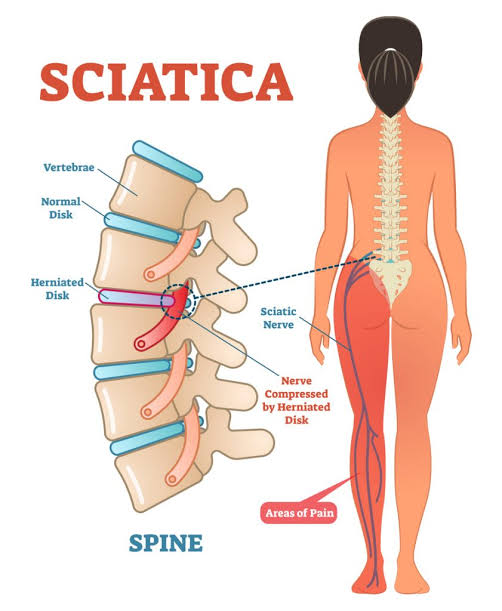
The problem is that posture isn’t just about appearance. The way you sit, stand, and move affects your muscles, joints, spinal health, energy levels, and even how comfortable you feel throughout the day. What starts as a slight forward head position can eventually contribute to chronic neck pain, headaches, shoulder tension, and lower back discomfort.
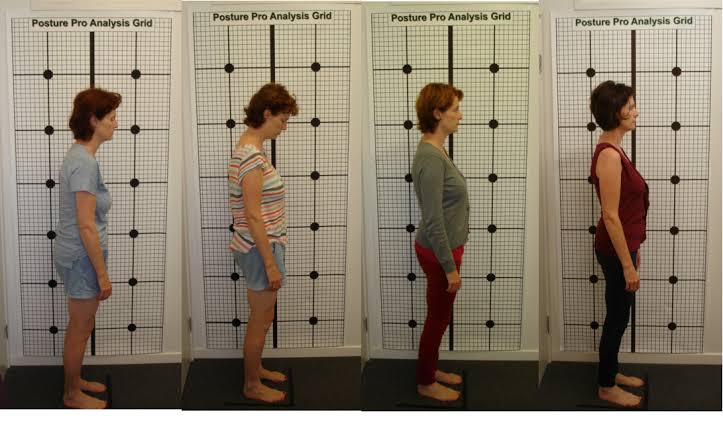
Many people don’t realize their posture has changed until they see themselves in a photo or begin experiencing symptoms. That’s where chiropractic care often enters the conversation. Chiropractors regularly assess posture as part of their evaluations and help patients address movement patterns that may contribute to discomfort.
In this guide, we’ll explore the connection between chiropractic care and better posture, common causes of postural problems, and practical ways to improve spinal alignment for long-term health.
Looking for a chiropractor who specializes in posture correction? Visit Local Chiropractors List to connect with experienced professionals near you.
Featured Snippet: Can Chiropractic Care Improve Posture?
Yes. Chiropractic care may help improve posture by addressing spinal dysfunction, restoring joint mobility, identifying movement imbalances, and providing personalized recommendations for posture correction, stretching, strengthening exercises, and ergonomic improvements.
Why Posture Matters More Than Most People Think
Posture is the position your body maintains while sitting, standing, and moving. Good posture allows muscles, joints, and ligaments to work efficiently with minimal strain.
Poor posture, on the other hand, can place excessive stress on various parts of the body.
Over time, poor alignment may contribute to:
- Neck pain
- Upper back tension
- Lower back discomfort
- Headaches
- Shoulder pain
- Reduced mobility
- Muscle fatigue
While occasional slouching isn’t usually a major concern, chronic postural habits can create long-term challenges.
For a broader understanding of posture and spinal health, visit Wikipedia’s Posture Resource.
The Modern Posture Problem
Let’s be honest. Human bodies weren’t designed to spend most of the day staring at screens.
Yet many adults now spend:
- 8+ hours working at computers
- Several hours using smartphones
- Extended periods of sitting during commutes
- Additional time watching television
This lifestyle has contributed to the rise of what healthcare professionals often call “tech neck” and forward head posture.
When the head moves forward, the neck and upper back muscles must work harder to support its weight. Even a small shift in head position can significantly increase stress on the cervical spine.
Common Signs of Poor Posture
Many people live with posture-related problems without realizing it.
Common warning signs include:
- Rounded shoulders
- Forward head posture
- Chronic neck stiffness
- Upper back tightness
- Frequent headaches
- Lower back discomfort
- Uneven shoulder height
- Reduced flexibility
If several of these symptoms sound familiar, your posture may be contributing to your discomfort.
You can find posture-focused chiropractic professionals through trusted local chiropractor directories.
How Chiropractic Care Addresses Posture Problems
1. Spinal Assessment and Evaluation
One of the first steps chiropractors take is evaluating spinal alignment and movement patterns.
This assessment may include:
- Posture analysis
- Range-of-motion testing
- Spinal examination
- Movement evaluation
- Health history review
Understanding how your body moves helps identify factors contributing to poor posture.
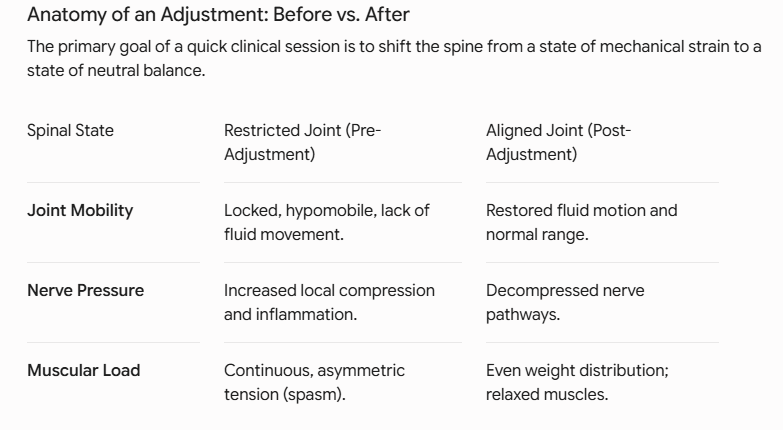
2. Improving Joint Mobility
Restricted spinal joints can affect how the body functions and compensates during movement.
Chiropractic adjustments are designed to improve joint mobility and restore normal movement patterns where appropriate.
Many patients notice improvements in flexibility and comfort following treatment.
3. Correcting Movement Imbalances
Posture problems rarely involve a single issue.
For example, forward head posture may be accompanied by:
- Tight chest muscles
- Weak upper back muscles
- Restricted neck mobility
- Poor workstation ergonomics
Chiropractors often address these contributing factors through personalized treatment plans.
4. Exercise and Stretching Recommendations
Chiropractic care extends beyond adjustments.
Many chiropractors recommend exercises designed to:
- Strengthen postural muscles
- Improve flexibility
- Support spinal stability
- Promote healthy movement patterns
This active approach empowers patients to participate in their own recovery and long-term maintenance.
The Most Common Posture Mistakes
In my experience, these habits are among the biggest contributors to posture-related issues:
- Looking down at phones for extended periods
- Sitting without lower back support
- Working on laptops positioned too low
- Crossing legs for prolonged periods
- Ignoring movement breaks during work
- Sleeping in unsupported positions
The good news is that small adjustments often create meaningful improvements over time.
Posture Correction: Chiropractic Care vs Ignoring the Problem
| Factor | Ignoring Poor Posture | Chiropractic Care |
|---|---|---|
| Professional Evaluation | No | Yes |
| Spinal Assessment | No | Yes |
| Posture Analysis | No | Yes |
| Corrective Exercises | No | Often Included |
| Movement Improvement | Limited | Primary Goal |
| Long-Term Prevention | No | Common Focus |
Simple Daily Habits That Support Better Posture
Improving posture doesn’t require dramatic lifestyle changes.
Some practical strategies include:
- Keeping screens at eye level
- Taking movement breaks every 30–60 minutes
- Strengthening core muscles
- Stretching tight chest muscles
- Using ergonomic office furniture
- Practicing proper standing alignment
These habits may seem small, but consistency often matters more than perfection.
For personalized guidance, explore experienced providers through Local Chiropractors List.
Can Better Posture Reduce Pain?
In many cases, yes.
When posture improves, stress on muscles and joints often decreases. This may help reduce:
- Neck discomfort
- Upper back tension
- Shoulder pain
- Tension headaches
- Lower back strain
While posture correction isn’t a cure-all, it can be an important part of maintaining musculoskeletal health.
Who Should Consider Chiropractic Care for Posture?
You may benefit from a chiropractic evaluation if you:
- Work at a desk for long hours
- Experience recurring neck or back pain
- Notice visible posture changes
- Frequently use smartphones or tablets
- Experience tension headaches
- Feel stiff or restricted during movement
Early intervention often helps prevent minor posture problems from becoming chronic issues.
Frequently Asked Questions
Can chiropractic adjustments fix poor posture?
Chiropractic adjustments may help improve spinal mobility and alignment, but long-term posture improvement typically also requires exercise, stretching, and lifestyle changes.
How long does it take to improve posture?
The timeline varies depending on the severity of postural habits, physical condition, and consistency with corrective strategies.
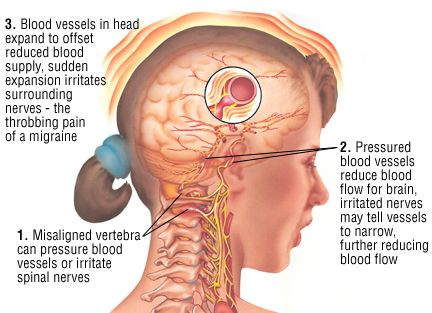
Can poor posture cause headaches?
Yes. Poor posture can contribute to muscle tension and stress on the cervical spine, which may lead to tension headaches.
Do office workers benefit from posture-focused chiropractic care?
Many office workers seek chiropractic care because prolonged sitting and screen use often contribute to posture-related discomfort.
Is posture correction only about appearance?
No. Proper posture supports spinal health, efficient movement, reduced strain, and overall physical comfort.
Final Thoughts
Poor posture has become one of the most common health challenges of the digital age. While it often develops gradually, the effects can significantly impact comfort, mobility, and quality of life.
Chiropractic care offers a proactive approach to posture improvement by addressing spinal function, movement patterns, and lifestyle habits that contribute to poor alignment. Combined with healthy daily habits, chiropractic treatment may help support better posture and long-term spinal health.
Ready to improve your posture and move more comfortably? Visit LocalChiropractorsList.com today to find trusted chiropractors near you, compare providers, and begin your journey toward healthier posture and improved well-being.