
Guide to Chiropractic Care
Guide to Chiropractic Care is a growing field in healthcare that offers non-invasive solutions for pain management, mobility improvement, and overall wellness. If you’re new to the idea of visiting a chiropractor, you’re not alone. Many people are discovering how chiropractic care can help with a wide variety of conditions and lifestyle challenges. In this comprehensive beginner’s guide, we’ll explore what chiropractors do, how chiropractic care works, and what to expect on your first visit.
Understanding Chiropractic Care
Chiropractic is a healthcare discipline that focuses on diagnosing and treating mechanical disorders of the musculoskeletal system, particularly the spine. The belief is that these disorders affect general health through the nervous system. Chiropractic care primarily involves manual therapy, especially spinal manipulation, to improve joint mobility, reduce inflammation, and relieve pain.
The Philosophy Behind Chiropractic Medicine
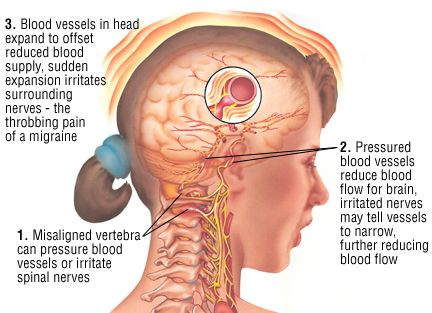
The foundation of chiropractic care is the understanding that the body can heal itself when it’s in proper alignment. Chiropractors focus on the spine because it houses the spinal cord, the main communication highway of the nervous system. By correcting misalignments—also called subluxations—chiropractors aim to restore optimal nervous system function, which in turn promotes better overall health.
What Does a Chiropractor Actually Do?
Chiropractors are licensed healthcare professionals trained to assess, diagnose, and treat musculoskeletal issues. Here’s a breakdown of the primary tasks a chiropractor performs:
1. Spinal Adjustments
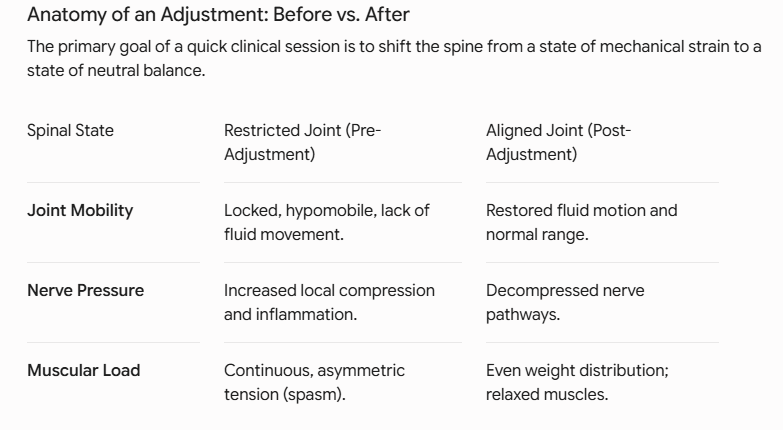
One of the most well-known procedures in chiropractic care is the spinal adjustment. This involves applying controlled force to specific joints in the spine to improve alignment, relieve pressure, and restore mobility. These adjustments can reduce pain and improve function in areas like the neck, back, and even the limbs.
2. Soft Tissue Therapy
In addition to joint adjustments, chiropractors often use techniques like massage therapy, myofascial release, and trigger point therapy to treat soft tissues. These methods help reduce muscle tension, improve blood flow, and enhance range of motion.
3. Exercise and Rehabilitation
Chiropractors often prescribe specific stretches and strengthening exercises to support recovery and prevent future injuries. These exercises target weak or imbalanced muscles and are typically tailored to each patient’s condition and physical capability.
4. Lifestyle and Nutritional Counseling
Many chiropractors also provide advice on posture, ergonomics, stress management, and nutrition. This holistic approach supports the idea that wellness involves more than just relieving pain—it’s about maintaining a healthy, balanced life.
Conditions Chiropractors Commonly Treat
While many people associate chiropractic care with back pain, the scope is much broader. Chiropractors treat a wide range of conditions, including:
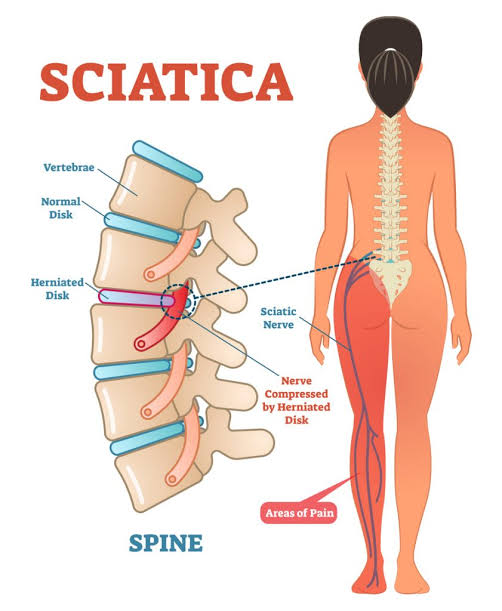
- Lower back pain and sciatica
- Neck pain and whiplash
- Headaches and migraines
- Shoulder and knee pain
- Joint stiffness and mobility issues
- Scoliosis and postural imbalances
- Sports injuries
- Workplace ergonomic problems
What to Expect During Your First Chiropractic Visit
If you’ve never seen a chiropractor before, your first visit might include several components:
Consultation
You’ll discuss your medical history, symptoms, and goals for treatment. The chiropractor may ask about previous injuries, lifestyle habits, and overall health concerns.
Physical Examination
Expect an exam that assesses your posture, flexibility, muscle tone, reflexes, and spinal alignment. Some chiropractors may use X-rays or other imaging tools to get a clearer picture of what’s happening inside your body.
Diagnosis and Treatment Plan
Based on the consultation and exam, the chiropractor will create a personalized treatment plan. This may include a schedule of adjustments, recommended exercises, and lifestyle suggestions.
First Adjustment
In many cases, you’ll receive your first adjustment during the initial visit. Chiropractors use a hands-on technique to manipulate the spine or other joints. You may hear a popping sound, which is perfectly normal—it’s the release of gas bubbles from the joint space.
Is Chiropractic Care Safe?
Yes, chiropractic care is considered safe when performed by a licensed and trained practitioner. Like any medical treatment, there are some risks involved, such as soreness, fatigue, or mild discomfort after an adjustment. Serious complications are extremely rare.
Who Should Avoid Chiropractic Adjustments?
People with certain health conditions, such as severe osteoporosis, spinal cancer, or high stroke risk, may need to avoid spinal manipulation. Sharing your full medical history with your chiropractor is essential to ensure safe treatment.
Benefits of Chiropractic Care
Patients often report a range of benefits from chiropractic treatment, including:
- Relief from chronic pain
- Improved posture and spinal alignment
- Enhanced mobility and flexibility
- Better sleep quality
- Reduced dependency on pain medications
- Increased overall wellness and energy
Frequently Asked Questions (FAQ)
Does insurance cover chiropractic care?
Many health insurance plans cover chiropractic care, but coverage can vary. Check with your provider to see what services are included under your policy.
How often should I see a chiropractor?
The frequency of visits depends on your condition and treatment goals. Some patients need weekly adjustments, while others benefit from monthly checkups or as-needed visits.
Will I need X-rays?
Not always. X-rays are typically used when the chiropractor suspects a more serious underlying issue or to confirm the extent of spinal misalignment.
Can children and seniors see a chiropractor?
Yes. Chiropractic care can be beneficial for all age groups. Pediatric chiropractors use gentler techniques suitable for children, while senior care focuses on maintaining mobility and reducing age-related pain.
Are adjustments painful?
Most people experience little to no pain during an adjustment. In fact, many report immediate relief or a pleasant sensation as tension is released from the joints and muscles.
Conclusion
Chiropractic care is more than just “cracking backs.” It’s a comprehensive, natural approach to health and wellness that addresses the root causes of pain and dysfunction. Whether you’re dealing with chronic pain, recovering from an injury, or simply want to improve your quality of life, chiropractic care can be a valuable part of your wellness journey. If you’re considering visiting a chiropractor, take the time to research local providers, check credentials, and don’t hesitate to ask questions. Your spine—and your whole body—will thank you.