
Chiropractic Care
You’re experiencing lower back pain, and chiropractic care can help you find relief by addressing the underlying causes of your discomfort. It’s a non-invasive, conservative approach that specializes in diagnosing and treating musculoskeletal disorders. Chiropractic care involves spinal manipulation to restore mobility and relieve pain. You’ll work with a chiropractor to develop a personalized treatment plan, which may include exercise and physical therapy. As you investigate chiropractic care, you’ll discover how it can help you manage lower back issues and improve your overall well-being, and you’ll find out what steps to take next.
Chiropractic Care Overview
You’re likely considering chiropractic care as a solution for your lower back issues, and it is essential to understand what this type of care entails. Chiropractic care specializes in diagnosing and treating musculoskeletal disorders, particularly focusing on the spine and its related structures to alleviate pain and improve function. It’s a holistic approach that addresses the musculoskeletal system as a whole.
Common techniques used in chiropractic care include spinal manipulation, which involves applying controlled force to spinal joints to enhance mobility and relieve discomfort. A personalized treatment plan is often created, emphasizing active patient involvement in rehabilitation through exercises and lifestyle modifications. This approach has been shown to be effective in relieving lower back pain, with many patients experiencing significant relief and improved function. By understanding what chiropractic care entails, you can make an informed decision about whether it’s right for you and your lower back pain needs. Chiropractic care can be a valuable solution for those seeking relief from lower back pain.
Lower Back Pain Causes
Something’s likely causing your lower back pain, and it’s vital to identify the underlying issue. You’re experiencing lower back pain, and it’s often related to conditions affecting the lumbar spine. Muscle spasms, herniated discs, and other spine-related conditions can cause pain and discomfort.
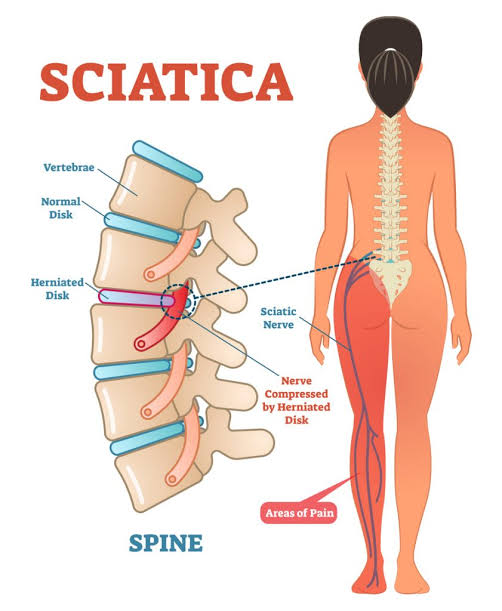
You may be wondering what’s causing your muscle spasms or herniated discs. It’s usually due to overexertion, injury, or poor posture. Herniated discs can irritate nerves, leading to pain radiating to your legs. Other common causes of lower back pain include osteoarthritis and sciatica.
Lifestyle factors, such as sedentary behavior, obesity, and improper lifting techniques, can exacerbate your lower back pain. These factors put additional strain on your spine and surrounding muscles. It’s important to understand the causes of your lower back pain to address the issue effectively. By identifying the underlying cause, you can take the first step towards relieving your pain and improving your overall well-being.
Chiropractic Treatment Options
As you investigate options for managing lower back pain, chiropractic care emerges as a viable treatment approach, primarily involving spinal manipulation to reduce nerve irritability and restore range of motion. You’ll find that chiropractic treatment often includes manual therapies, which can enhance spinal movement and alleviate muscle tightness. This approach can lead to significant pain relief and improved overall wellness.
Chiropractors use spinal manipulation and other techniques to develop personalized treatment plans. They may also provide exercise instructions and self-care tips to help you manage your condition. By incorporating chiropractic care into your treatment plan, you can experience an improved range of motion and reduced discomfort. Chiropractic treatment options focus on addressing the root cause of your lower back pain rather than just masking the symptoms. By taking a holistic approach, you can achieve effective pain relief and improve your overall quality of life. Chiropractic care is a valuable option to evaluate.
Spinal Manipulation Techniques
Spinal manipulation techniques, which involve applying controlled force to specific spinal joints, can greatly enhance movement and alleviate pain in your lower back. You’ll find that chiropractic care often uses spinal manipulation as a treatment option for back pain. This manual manipulation can help restore the range of motion and reduce nerve irritability. Chiropractors use different techniques tailored to the lumbar, cervical, and thoracic regions to address specific pain issues.
As you consider spinal manipulation, it is crucial to know that research supports its effectiveness for treating low back pain. Many patients experience significant relief after treatment. The safety risks associated with spinal manipulation are relatively low when performed by licensed practitioners, with serious complications being rare. You can feel comfortable exploring spinal manipulation as a treatment option for your back pain, knowing it’s a well-researched and effective approach in chiropractic care. This technique can be a valuable part of your treatment plan.
Chiropractic Adjustment Process
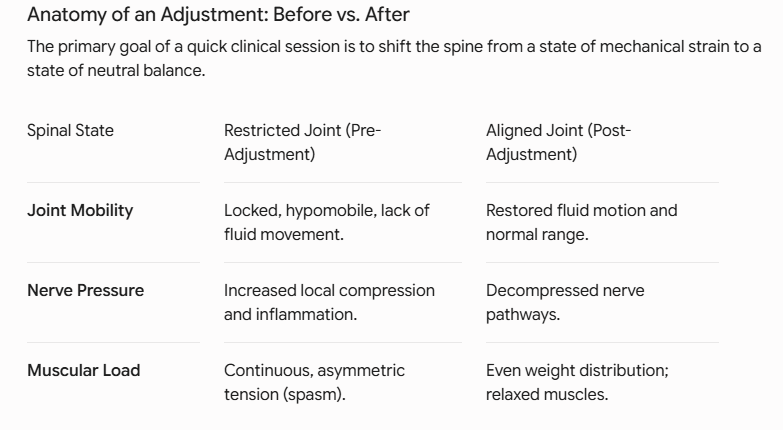
You’ll find that chiropractic adjustments are a key component of chiropractic care, building on the principles of spinal manipulation techniques. These adjustments involve applying controlled force to spinal joints to improve joint mobility and reduce pain. As you undergo chiropractic treatments, you’ll notice that the process targets specific spinal regions, with lumbar adjustments focusing on relieving lower back pain.
You don’t need to take special actions to prepare for a chiropractic adjustment, but an initial consultation will include a health history review and physical examination. This helps determine the best approach for your treatment. During the adjustment, you may hear popping or cracking sounds, which are normal and not painful. Research supports the effectiveness of chiropractic adjustments for alleviating low back pain. You’ll likely require multiple sessions for best results, with ongoing assessment of your symptoms. Chiropractic care, including spinal manipulation, can be an effective way to improve joint mobility and reduce lower back pain.
Relieving Lower Back Pain
Relieving lower back pain is often the primary goal of chiropractic care, and it’s achieved through targeted techniques that don’t require invasive procedures. You’ll find that chiropractic treatment is a recognized conservative option for lower back pain. When you undergo chiropractic care, you can expect techniques like spinal manipulation to relieve pain.
Some key points to evaluate when relieving lower back pain with chiropractic care include:
- Spinal manipulation to restore proper alignment
- Early treatment to prevent chronic pain development
- Targeted techniques to enhance mobility and relieve pain
- Non-invasive procedures to reduce back pain intensity
You can relieve pain and improve your functional ability with chiropractic care. Many cases of lower back pain resolve with this treatment, especially when started early. Chiropractic manipulation aims to restore proper alignment and enhance mobility, which can help you manage back pain effectively. By evaluating chiropractic care, you’re taking a proactive approach to relieving lower back pain and improving your overall well-being.
Chiropractic Care Benefits
Chiropractic care offers numerous benefits for individuals suffering from lower back issues, and it’s essential to contemplate these advantages when evaluating treatment options. You can help patients manage chronic low back pain with chiropractic treatment. This approach often includes spinal manipulation to improve movement and alleviate discomfort.
| Benefit | Description |
|---|---|
| Pain Relief | Reduce pain intensity |
| Improved Mobility | Enhance joint mobility |
| Patient Satisfaction | Higher satisfaction levels |
| Non-Invasive | Conservative approach |
You can improve functional outcomes for individuals with lower back pain using chiropractic care. It’s a viable non-opioid alternative for managing back pain, and many patients report higher satisfaction levels with this treatment option. By considering chiropractic care, you can help patients find relief from chronic low back pain and improve their overall spinal health. Chiropractic care is a recommended initial treatment option, and it can help you help patients achieve better outcomes.
Treatment Plan Development
As you develop a treatment plan for lower back issues, it’s essential that the approach is individualized based on the patient’s specific pain levels, disability, and activity intolerance. This personalized care is key to effectively managing back pain. You’ll want to take into account chiropractic adjustments, such as spinal manipulation, to prevent the progression of back pain and chronicity.
When creating a treatment plan, consider the following:
- Early intervention: Start with chiropractic care to address back pain.
- Active care: Incorporate physical therapy and exercise to empower patients.
- Ergonomic modifications: Help patients modify their environment to reduce strain.
- Continuous assessment: Regularly evaluate progress to adapt the treatment plan.
Your goal is to restore functional mobility and reduce nerve irritability through techniques like spinal manipulation and mobilization. By incorporating chiropractic care and physical therapy into the treatment plan, you can help patients manage their back pain and improve their overall well-being. This approach will help you develop an effective treatment plan for lower back issues.
Managing Chronic Back Pain
You’ll find that managing chronic back pain requires an extensive approach, one that incorporates multiple treatment strategies to alleviate symptoms and improve quality of life. Chiropractic care is often recommended as a conservative treatment option, and it may include spinal manipulation to help relieve chronic back pain and even neck pain. As you work with a physical therapist or chiropractor, you’ll develop a personalized plan to address your specific needs. This plan may involve regular chiropractic adjustments, exercises, and lifestyle changes to help manage your chronic back pain. You can expect your chiropractor to use spinal manipulation and other techniques to help improve your mobility and reduce pain. By taking a proactive approach to managing chronic back pain, you can improve your overall well-being and reduce your reliance on medication. Chiropractic care can be a valuable part of your treatment plan, helping you to better manage your chronic back pain and improve your quality of life.
Chiropractic Care Effectiveness
Research backs up the effectiveness of chiropractic care in managing lower back issues, and it’s paying off for many people who turn to it for relief. You’ll find that chiropractors use spinal manipulation to help with back pain and improve function. Guidelines recommend chiropractic care as a conservative approach before considering invasive treatments.
- Chiropractic treatment can relieve low back pain
- It can serve as a non-opioid alternative
- Spinal manipulation is a key technique used
- Early treatment can resolve acute low back pain.
When you consider chiropractic care, you’re taking a step towards managing your lower back issues without relying on invasive procedures. Chiropractic care can help reduce pain and improve your overall well-being. By choosing this approach, you’re aligning with guidelines that recommend conservative treatments first.