How Workers Can Prevent Tech Neck and Back Strain
Prevent Tech Neck and Back Strain, and let me be honest right from the start—I didn’t think “tech neck” was a real thing until I felt it myself. One morning a few years ago, after a late-night sprint to finish a website audit for a client, I woke up with that sharp, stubborn pinch at the base of the neck. You know the type…the kind that makes you roll your shoulders every few minutes, hoping it just magically goes away. Spoiler: it didn’t.
And I remember thinking, “Is this seriously from looking down at my laptop?” But the answer was yes. Absolutely yes.
Now that I’ve worked with chiropractors, physical therapists, and even a few ergonomics specialists for content projects, I can confidently say that tech neck isn’t just another workplace buzzword. It’s a real and growing problem—especially for people who spend eight-plus hours a day at a desk or glued to a device.
Oh, and before you ask: yes, this applies whether you’re deep in QuickBooks, running customer support tickets, or juggling a dozen Slack conversations at once.
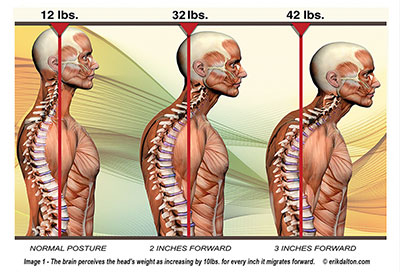
According to posture experts, what we call “tech neck” is essentially forward head posture—a condition even documented on Wikipedia (Forward Head Posture). The crazy part? Every inch your head moves forward adds more pressure to the spine—up to 40 pounds of force in some cases. Does that sound familiar?
Why Tech Neck Happens (Even to People Who “Sit Correctly”)
Here’s something that surprised me: tech neck doesn’t only hit the people with obviously bad posture. I’ve talked to plenty of workers who swear they sit up straight—yet still deal with headaches, shoulder tension, or that dull ache between the shoulder blades. And you know what chiropractors often tell them?
It’s not just how you sit—it’s how long you sit.
Our bodies were never meant to be in one position for hours on end. Even the best ergonomic chair in the world can’t fix the issue if you’re locked into a typing marathon from 9 to 5.
The Root Causes Most Workers Miss
- Downward gaze from laptops and phones. (Honestly, laptops should come with a warning label.)
- Desk setups that slowly push the head forward.
- Slouching during “focus mode.” Funny how concentration makes posture worse.
- Weak deep neck flexors. These are muscles most people don’t even know exist.
- Chronic stress. It tightens the upper traps like a vise.
One physical therapist in New Jersey told me something that stuck: “Tech neck is basically a modern occupational hazard.” And he’s right. Remote workers especially tend to underestimate it because they think working from a couch or kitchen table “just for today” won’t matter. But it does—over time, little habits have huge consequences.
A Quick Story: The Accountant With the 14-Hour Crunch
I once interviewed an accountant during tax season—let’s call him Mark. Mark was the kind of person who took pride in efficiency, spreadsheets, and color-coded folders. But his body had other opinions.
During a particularly brutal week in April, he logged almost fourteen hours a day at his desk. By the end of the week, the base of his skull felt like it was “burning.” Not my words—his.
When his chiropractor evaluated him, the diagnosis was textbook: forward head posture causing cervical strain and early signs of upper-cross syndrome.
The fix wasn’t complicated, but it required consistency—micro-breaks, chin tucks, raising his monitor, and ditching the habit of working from his recliner after 9 p.m. Within a month, he told me that he felt like “someone turned off a pain switch.”
Why does this matter? Because Mark’s story isn’t unique. It’s common. Too common.
The Real-Life Fixes Workers Can Use Today
Let’s get practical. And I’ll be real—I’ve tried most of these personally, and they work a lot better when you actually commit to them. (Guilty of not always doing that.)
1. Elevate Your Screen to Eye Level
This is probably the simplest fix. Whether you use a laptop stand, stacked books, or even a shoebox—I’ve done that in a pinch—just raise the screen so your eyes meet the top third of it.
It prevents the downward gaze that fuels tech neck.
Pro tip: If you work with two monitors, make your primary one directly in front of you. Don’t twist your neck all day.
2. Use the “90-90-90 Rule”—But Don’t Obsess Over It
Sure, ergonomics experts swear by the 90-degree angles for knees, hips, and elbows. But here’s the truth: perfection isn’t the goal. Movement is.
Think of posture like a bank account. Every time you shift positions, stand up, or stretch, you’re making a deposit. Sit frozen for hours? That’s a withdrawal.
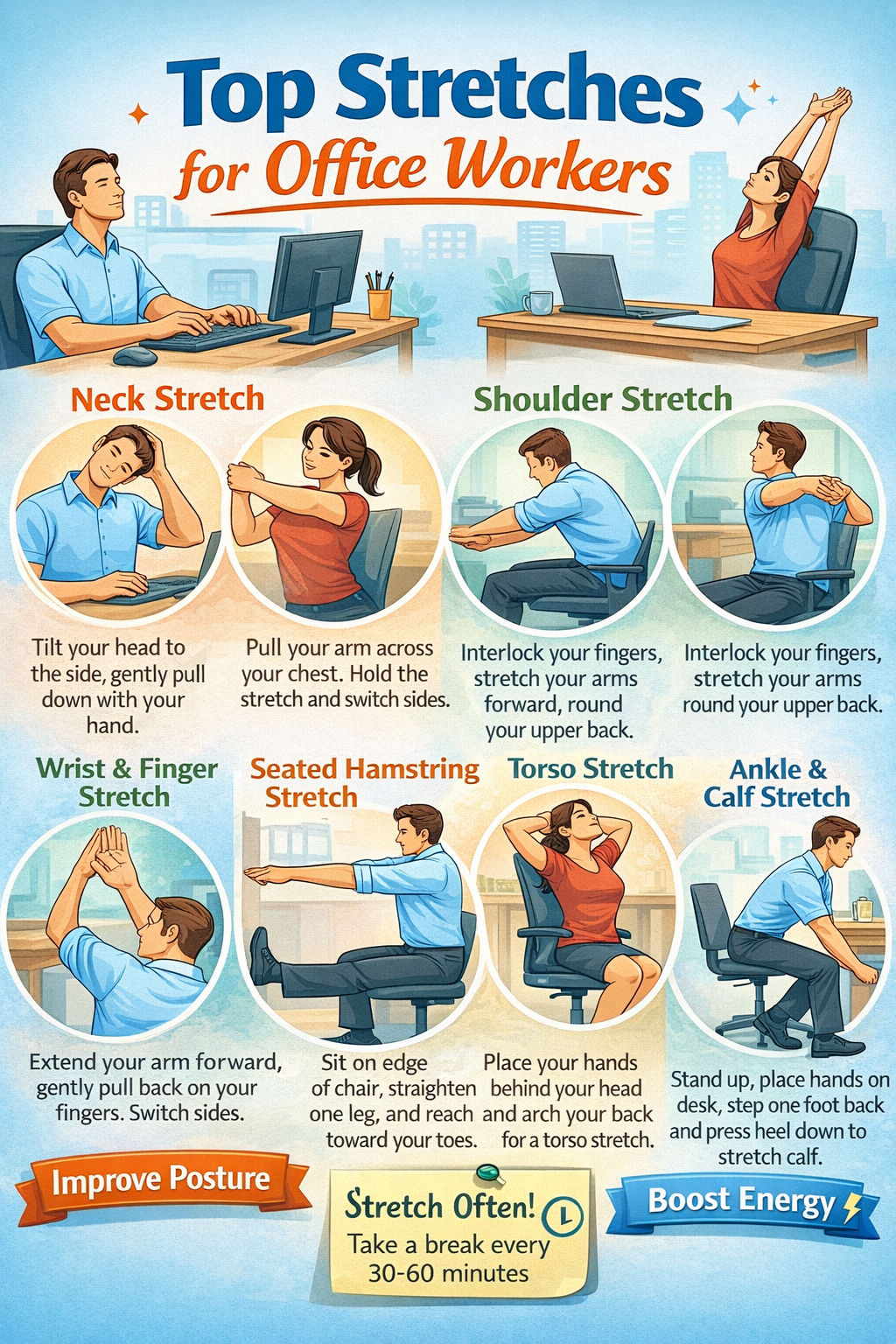
3. Micro-Breaks Every 30–45 Minutes
You don’t need a full workout. Just 30 seconds to stretch the neck or roll the shoulders. One chiropractor I know calls them “movement snacks.”
Try this sequence:
- Neck retraction (chin tucks)
- Shoulder blade squeezes
- Gentle upper trap stretch
- 10 slow breaths
It’s amazing how much relief this gives after a long Zoom meeting.
4. Strengthen Your Deep Neck Flexors
These tiny muscles are like the core of your neck, and most workers have them extremely undertrained. The go-to exercise?
Chin tucks. Boring, yes. Effective, absolutely.
Do ten twice a day. It’s not glamorous, but it works better than you’d think.
5. Switch Between Sitting and Standing
If your workplace lets you use a standing desk, take advantage of it. And don’t think you need to stand for eight hours. The sweet spot is something like:
30 minutes sitting → 20 minutes standing → repeat.
Standing improves spinal decompression, engages stabilizers, and gives your neck a break from the classic forward-lean typing posture.

The Hidden Culprit: Stress and Tension
Here’s an angle people rarely talk about. Stress. When you’re under pressure—deadlines, performance targets, endless notifications—your upper traps tense up subconsciously. It’s like your shoulders creep up toward your ears without you realizing it.
I noticed this myself during a month of heavy client work. Every time my phone buzzed, my body reacted before my mind did. And the tension built up fast.
That’s why techniques like deep breathing, short walks, and even quick meditation sessions can indirectly help with tech neck. When your nervous system relaxes, your muscles follow.
A What-Not-to-Do List (Because Sometimes That’s Easier)
Let me share a few real-life mistakes I’ve personally made—or seen colleagues make.
- Working from bed. Just don’t. It’s a trap. A soft, cozy trap.
- Cramming the phone between the shoulder and the ear. This one can wreck your neck faster than you think.
- Reaching forward to type. If your keyboard is too far, you’ll hunch. Guaranteed.
- Looking down at your phone for long stretches. Try holding it at chest or eye level instead.
These seem obvious, but watch a coffee shop for five minutes—you’ll see people doing all of these.
Case Study: The Remote Worker Who Didn’t Notice Her Posture
A UX designer I worked with last year admitted something: she had no idea she was slouching until she saw her reflection in a glass door during a video call. She described her posture as “a wilted houseplant.” Her words, not mine.
This moment of accidental self-awareness pushed her to adjust her workspace. She bought a $25 laptop stand, raised her monitor, added a keyboard, and started using a posture reminder app.
Within four weeks, she reported fewer headaches and more energy by midday. Sometimes it’s the small tweaks that snowball into major improvements.
Long-Term Prevention Workers Should Keep in Mind
I’ll be blunt: preventing tech neck isn’t a one-time fix. It’s a lifestyle shift. Kind of like maintaining a roof—it’s easier and cheaper to prevent leaks than fix the damage.
And if you treat your spine like a long-term investment, you’ll thank yourself later.
1. Strength Training Helps More Than People Expect
A strong upper back counters forward head posture. Rows, reverse flies, and TRX exercises are fantastic. Even resistance bands can make a big difference.
2. Stretch the Muscles That Pull You Forward
If your chest tightens, it drags your shoulders inward. Daily pec stretches (doorway stretches) make a surprising difference.
3. Get a Professional Assessment
Sometimes you need a chiropractor or PT to evaluate your posture and movement patterns. They’ll spot issues you won’t. Think of it like getting a car diagnostic—you find small problems before they turn into major repairs.
A Final Thought—And a Personal Ending
But here’s the thing that ties all of this together: the goal isn’t to be perfect. Humans weren’t designed to sit frozen like statues. So don’t beat yourself up for slouching now and then; everyone does it. The key is awareness. Small shifts. Mini-habits that add up.
I still catch myself leaning toward my screen when I’m in deep focus mode. And every time, I hear a chiropractor’s voice from a project interview ringing in my head: “Your body tells the story of your habits.”
So if you’re reading this while hunched over your phone or laptop—go ahead and sit up taller. Right now. It takes two seconds, and your spine will thank you later.
After all, preventing tech neck isn’t complicated. It just needs consistency. And maybe a gentle reminder here and there.