Common Mistakes Harm the Spine
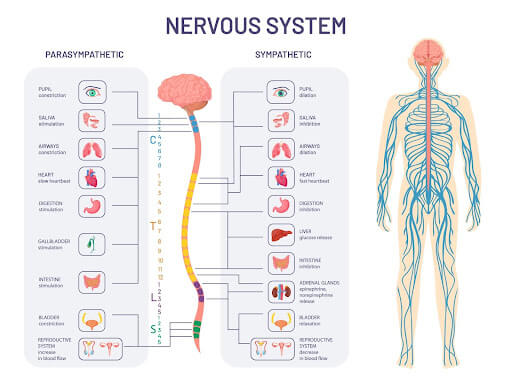
You might not realize that Common Mistakes Harm the Spine, but the way you sit, lift, or even sleep could be silently damaging your spine. Poor posture at your desk, improper lifting techniques, and a lack of exercise can all contribute to chronic pain. Coupled with the wrong mattress and footwear, these habits can wreak havoc on your spinal health. Understanding these common mistakes is crucial, and it’s time to explore how to make meaningful changes.
Key Takeaways
– Poor posture while sitting strains back muscles; adjust your chair and monitor to maintain proper alignment.
– Ignoring proper lifting techniques can lead to spinal injuries; always bend your knees and keep your back straight.
– A sedentary lifestyle weakens supporting muscles; incorporate regular exercise to enhance posture and strengthen your core.
– Sleeping on the wrong mattress can cause back pain; choose one that offers appropriate support for your sleeping style.
– Wearing inappropriate footwear, like high heels, disrupts spine alignment; opt for shoes with good arch support and cushioning.
Poor Posture at Your Desk
Poor posture at your desk can wreak havoc on your spine. When you slouch or hunch over your keyboard, you strain your back muscles and discs unnecessarily.
To counter this, adjust your chair so that your feet rest flat on the ground and your knees are at a 90-degree angle. Keep your monitor at eye level to avoid craning your neck. Remember to sit back in your chair, using the backrest for support.
Take frequent breaks to stand, stretch, and walk around; this helps alleviate tension and improves circulation. By being mindful of your posture, you’ll enhance your comfort and protect your spine from long-term damage.
Prioritizing good habits now pays off later.
Ignoring Ergonomics When Lifting
When you’re lifting something heavy, it’s easy to overlook proper techniques and ergonomics.
Ignoring these factors can lead to poor posture and severe strain on your spine.
Let’s explore how you can lift safely to protect your back.
Proper Lifting Techniques
Lifting heavy objects without considering proper techniques can lead to severe spinal injuries.
To protect your spine, start by standing close to the object. Bend at your knees, keeping your back straight, and grab the object firmly. Engage your core muscles to stabilize your spine as you lift.
Instead of twisting your torso, pivot your feet to change direction. Always lift with your legs, not your back, and avoid overreaching. If the object is too heavy, don’t hesitate to ask for help or use a dolly.
Impact of Poor Posture
Neglecting proper posture while lifting can lead to significant strain on your spine.
When you hunch over or twist your back, you’re putting unnecessary pressure on your vertebrae and discs. This can result in discomfort, pain, and even long-term injuries.
You might think you’re saving time by lifting quickly, but poor ergonomics can slow you down in the long run due to potential injuries.
Always bend your knees and keep your back straight when lifting heavy objects. Engage your core to provide extra support and maintain balance.
Lack of Regular Exercise
Many people underestimate the impact of a sedentary lifestyle on spinal health. When you spend long hours sitting or being inactive, your muscles weaken, and your spine loses its natural support. This can lead to discomfort, stiffness, and even chronic pain.
Regular exercise is crucial for maintaining a strong, flexible spine. It promotes good posture, strengthens core muscles, and improves blood circulation, all of which contribute to spinal health. You don’t have to hit the gym; simple activities like walking, stretching, or yoga can make a difference.
Aim for at least 30 minutes of moderate exercise most days of the week. By incorporating movement into your daily routine, you’ll help protect your spine and enhance your overall well-being.
Sleeping on the Wrong Mattress
Choosing the right mattress is essential for a good night’s sleep and a healthy spine. A poor mattress can lead to back pain, stiffness, and restless nights. If you’re waking up sore or feeling fatigued, it’s time to reassess your choice.
Here’s a quick guide to help you:
| Mattress Type | | Pros | | Cons |
| Memory Foam | Conforms to your body | Can retain heat |
| Innerspring | Good support and bounce | May sag over time |
| Latex | Durable and hypoallergenic | Higher price point |
| Hybrid | Combines benefits of both | Heavier to move |
| Adjustable | Customizable firmness | Can be pricey |
Investing in the right mattress can significantly improve your spine health and overall well-being. Don’t compromise on comfort!
Wearing Inappropriate Footwear
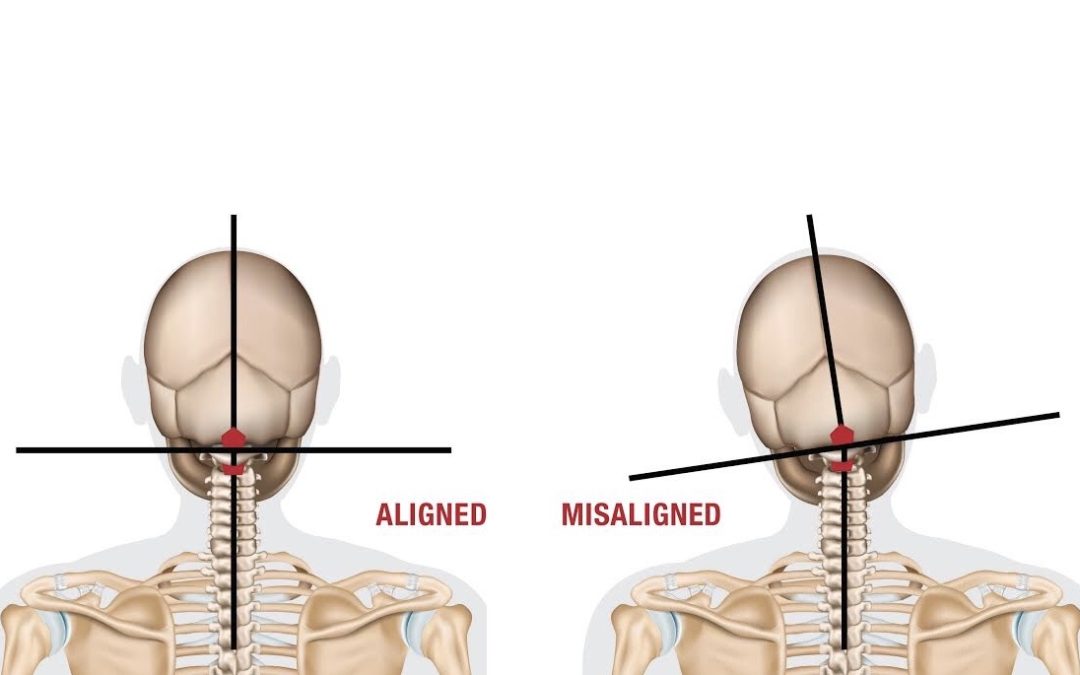
While it might be tempting to prioritize style over comfort, wearing inappropriate footwear can lead to significant spine issues. High heels, flip-flops, and shoes with inadequate arch support can reduce your body’s alignment.
This misalignment stresses your spine, leading to pain and discomfort over time. When your feet aren’t properly supported, your body compensates by shifting weight, which affects your posture and can result in chronic back problems.
Instead, invest in shoes that offer the right support for your feet. Look for cushioned soles and good arch support to keep your spine aligned.
Neglecting Stretching and Flexibility
Even with the proper footwear, neglecting stretching and flexibility can still lead to spinal issues. Regular stretching keeps your muscles and ligaments supple, reducing tension in your back.
Tight muscles can pull on your spine when you skip this vital practice, causing misalignment and discomfort. Incorporating flexibility exercises into your routine helps maintain a healthy range of motion, allowing your spine to function optimally.
Consider activities like yoga or Pilates, which enhance flexibility and strengthen your core—crucial for spinal support.
Remember, it’s not just about avoiding injury; it’s about promoting overall spinal health. Make stretching a part of your daily life, and you’ll notice a significant difference in how your back feels.
Don’t overlook this essential aspect of wellness!
Frequently Asked Questions
How Can Stress Impact My Spine Health?
Stress can tighten your muscles and lead to tension, which negatively affects your spine health. It may cause pain, stiffness, and misalignment, making it essential to manage stress for better overall spinal wellness.
What Are the Signs of a Spinal Injury?
If you’ve sustained a spinal injury, you might notice symptoms like persistent pain, numbness, weakness, or difficulty moving. It’s crucial to seek medical attention if you experience any of these signs. Don’t ignore them.
Can Dehydration Affect Spinal Health?
Yes, dehydration can negatively impact spinal health. When you’re dehydrated, your spinal discs lose moisture, reducing their cushioning ability. This can lead to discomfort and increased risk of injury, so staying hydrated is essential.
How Often Should I Change My Mattress?
You should change your mattress every 7 to 10 years, depending on wear and comfort. Regularly assessing its condition ensures you support your spine properly, leading to better sleep and overall health.
Are There Specific Stretches for Back Pain Relief?
Yes, there are specific stretches that can relieve back pain. You should try cat-cow stretches, seated forward bends, and child’s pose. Incorporating these into your routine can help improve flexibility and reduce discomfort effectively.
Conclusion
To keep your spine healthy, it’s crucial to break those bad habits. Pay attention to your posture at your desk, use proper techniques when lifting, and make regular exercise a priority. Don’t underestimate the impact of a supportive mattress and the right footwear on your spine. Lastly, incorporate stretching into your routine to enhance flexibility. By making these adjustments, you can prevent pain and promote a stronger, healthier spine for years to come.