Chiropractic vs Traditional Management: What You Need to Know
When pain starts affecting your daily life, Chiropractic vs Traditional Management, finding the right treatment becomes a priority. Whether it’s persistent lower back pain, recurring neck stiffness, sciatica symptoms, or chronic joint discomfort, most people eventually face an important question: should they pursue chiropractic treatment or traditional pain management?
The answer isn’t always straightforward. Both approaches have their place, and the best option often depends on the underlying cause of the pain, the severity of symptoms, and personal treatment preferences.
Over the years, I’ve spoken with people who relied exclusively on medications, while others preferred natural treatment approaches. Interestingly, many patients eventually discover that the most effective strategy often involves understanding the strengths and limitations of each option rather than viewing them as competing solutions.
This guide explores chiropractic treatment and traditional pain management in depth, helping you make a more informed decision about your health.
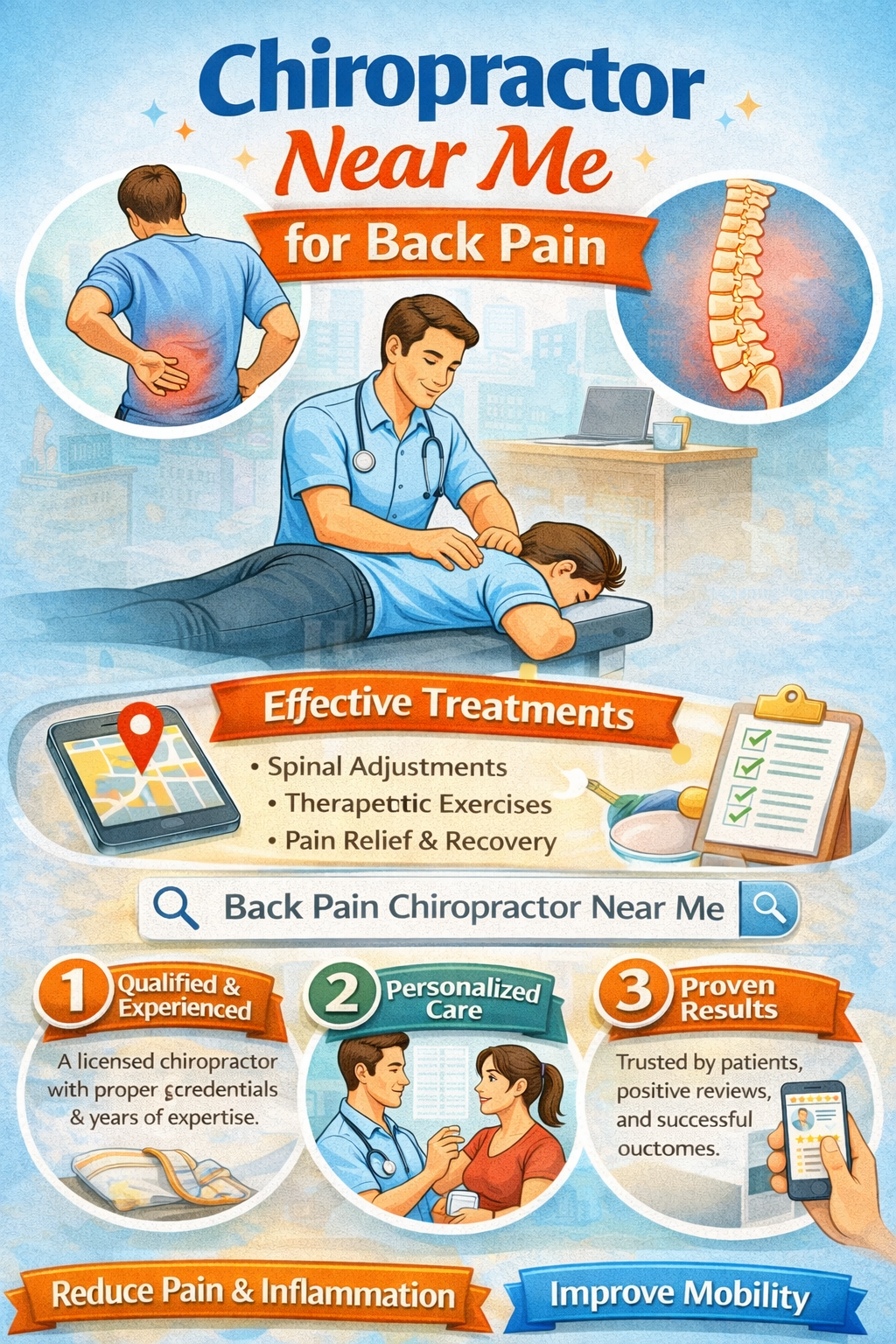
Looking for qualified chiropractors in your area? Explore trusted providers through Local Chiropractors List.
Featured Snippet: What Is the Difference Between Chiropractic Treatment and Traditional Pain Management?
Chiropractic treatment focuses on improving spinal function, joint mobility, and musculoskeletal health through hands-on care and corrective strategies. Traditional pain management often emphasizes symptom control through medications, injections, physical therapy, and medical interventions. Both approaches may be valuable depending on the condition and patient needs.
Understanding Chiropractic Treatment
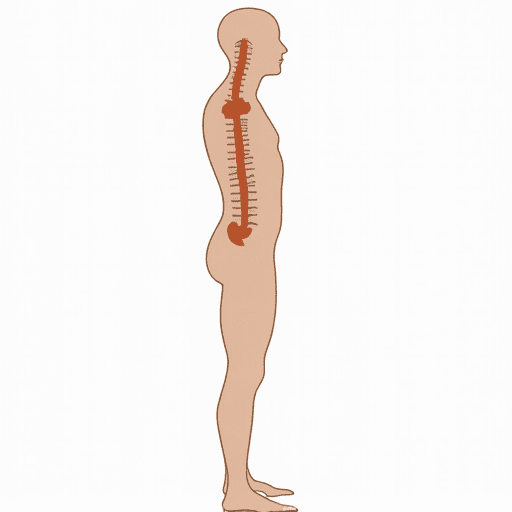
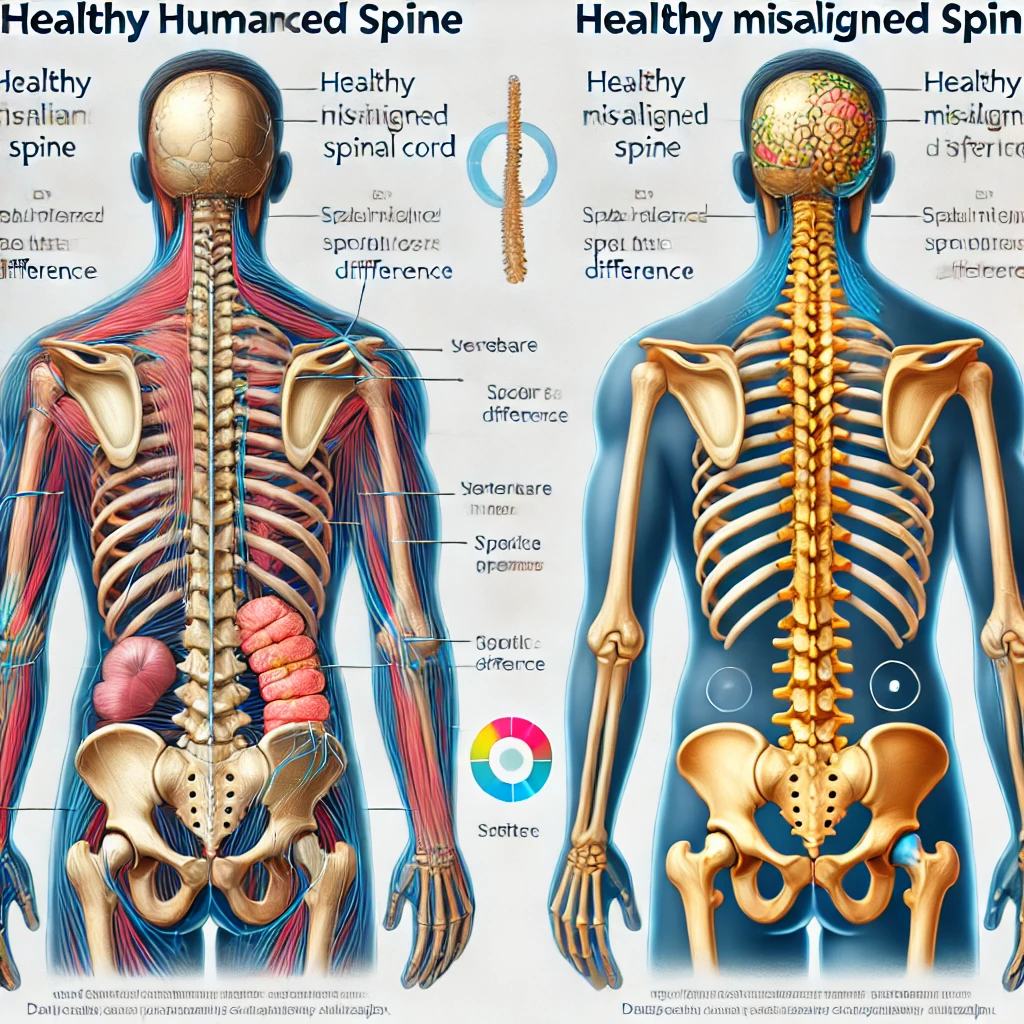
Chiropractic care is a healthcare discipline focused on diagnosing and treating musculoskeletal disorders, particularly those involving the spine.
Chiropractors commonly use:
- Spinal adjustments
- Joint mobilization techniques
- Posture correction strategies
- Stretching recommendations
- Exercise programs
- Lifestyle guidance
The primary goal is to improve movement, restore joint function, and reduce mechanical stress on the body.
Unlike many symptom-focused approaches, chiropractic care often attempts to identify and address underlying biomechanical issues contributing to discomfort.
For a broader overview of the profession, visit Wikipedia’s Chiropractic Article.
What Is Traditional Pain Management?
Traditional pain management is a medical specialty focused on diagnosing and treating acute and chronic pain conditions.
Treatment options may include:
- Prescription medications
- Anti-inflammatory drugs
- Muscle relaxants
- Corticosteroid injections
- Nerve blocks
- Physical therapy referrals
- Advanced interventional procedures
Pain management physicians typically work with patients experiencing complex pain conditions that significantly impact daily functioning.
How Pain Develops in the First Place
One reason this debate exists is that pain itself is complicated.
Pain can originate from:
- Joint dysfunction
- Muscle strain
- Nerve irritation
- Inflammation
- Disc injuries
- Degenerative changes
- Traumatic injuries
Because pain has multiple causes, treatment approaches often vary significantly from one patient to another.
Chiropractic Treatment: Advantages
1. Focus on Movement and Function
One of the biggest strengths of chiropractic care is its emphasis on restoring movement rather than simply reducing symptoms.
When joints move more efficiently, patients often experience improvements in flexibility, posture, and overall comfort.
2. Drug-Free Approach
Many patients seek chiropractic care because they want alternatives to long-term medication use.
For individuals looking for conservative treatment options, chiropractic care offers a non-invasive approach focused on physical function.
3. Personalized Care Plans
Most chiropractors perform detailed assessments that evaluate posture, movement patterns, and lifestyle habits.
Treatment plans often include recommendations for exercise, stretching, and ergonomic improvements.
You can find local providers specializing in personalized chiropractic care through trusted chiropractic directories.
Traditional Pain Management: Advantages
1. Effective for Severe Pain
For acute injuries or severe chronic pain conditions, traditional pain management can provide significant relief.
Medication and interventional procedures may help patients maintain function during difficult periods.
2. Access to Advanced Medical Interventions
Pain specialists often have access to:
- Diagnostic imaging
- Nerve studies
- Targeted injections
- Advanced treatment technologies
These tools can be particularly useful for complex conditions.
3. Multidisciplinary Treatment Options
Many pain management clinics collaborate with physical therapists, orthopedic specialists, neurologists, and surgeons when appropriate.
Common Conditions Treated by Both Approaches
| Condition | Chiropractic Care | Pain Management |
|---|---|---|
| Lower Back Pain | Commonly Treated | Commonly Treated |
| Neck Pain | Commonly Treated | Commonly Treated |
| Sciatica | Frequently Addressed | Frequently Addressed |
| Joint Pain | Often Treated | Often Treated |
| Postural Dysfunction | Primary Focus | Less Common Focus |
| Movement Restrictions | Primary Focus | Secondary Focus |
Where Chiropractic Care Often Stands Out
In my experience, one area where chiropractic care frequently shines is patient education.
Many chiropractors spend significant time discussing:
- Posture correction
- Workstation ergonomics
- Exercise habits
- Movement patterns
- Long-term prevention strategies
This proactive approach appeals to patients who want to address contributing factors rather than simply manage symptoms.
Where Traditional Pain Management Often Excels
Traditional pain management tends to be especially valuable for:
- Complex chronic pain conditions
- Post-surgical pain
- Cancer-related pain
- Neurological pain disorders
- Severe inflammatory conditions
These situations may require specialized medical interventions beyond the scope of chiropractic treatment.
Cost Comparison
| Factor | Chiropractic Care | Traditional Pain Management |
|---|---|---|
| Initial Evaluation | Moderate Cost | Moderate to High Cost |
| Ongoing Treatment | Often Predictable | Varies Significantly |
| Medication Expenses | Usually None | May Be Ongoing |
| Invasive Procedures | Rare | Possible |
| Preventive Care Focus | Strong | Moderate |
Can Chiropractic Care and Pain Management Work Together?
Absolutely.
This is perhaps the most overlooked aspect of the conversation.
Many patients benefit from a collaborative approach where chiropractic care supports mobility and function while medical providers address more complex pain conditions.
Healthcare doesn’t always have to be an either-or decision.
Depending on the diagnosis, combining therapies may offer the most comprehensive solution.
Patients seeking local chiropractic professionals can browse Local Chiropractors List to compare providers and treatment specialties.
Questions to Ask Before Choosing a Treatment Approach
- What is causing my pain?
- How long have symptoms been present?
- Do I want a drug-free option?
- Is my condition acute or chronic?
- Would a movement-focused approach benefit me?
- Do I require advanced medical intervention?
Answering these questions can help guide treatment decisions.
Frequently Asked Questions
Is chiropractic care better than pain medication?
Neither option is universally better. The most appropriate treatment depends on the condition, severity of symptoms, and patient goals.
Can chiropractic care replace pain management?
In some cases, chiropractic care may help manage musculoskeletal issues. However, complex pain conditions may still require medical pain management.
Is chiropractic treatment safe?
When performed by a licensed chiropractor, chiropractic care is generally considered safe for many musculoskeletal conditions.
Do chiropractors prescribe medication?
No. Chiropractors generally focus on non-drug treatment approaches such as spinal adjustments, rehabilitation exercises, and lifestyle recommendations.
Can both treatments be used together?
Yes. Many patients benefit from a coordinated approach involving chiropractic care and traditional medical treatment.
Final Thoughts
Choosing between chiropractic treatment and traditional pain management doesn’t have to be a competition. Each approach offers unique advantages and serves different patient needs.
If your goal is improving mobility, posture, movement quality, and musculoskeletal function, chiropractic care may be an excellent option. If you’re dealing with severe pain, complex conditions, or advanced medical needs, traditional pain management may play an essential role.
The key is understanding your condition and working with qualified healthcare professionals who can guide you toward the most appropriate treatment path.
Ready to explore chiropractic care as part of your wellness strategy? Visit LocalChiropractorsList.com to find trusted chiropractors near you, compare providers, and take the first step toward better spinal health and improved quality of life.