
How Stress Affects Spine and Nervous System
Stress Affects Spine and Nervous System, and you ever notice how when life gets overwhelming, your shoulders tighten up — almost like they’re trying to hold your worries, too? I remember a period in my early 20s when deadlines, midnight coffee sprints, and erratic sleep made my lower back ache so badly that I thought it was a pinched nerve. Little did I realise at the time — it wasn’t just “bad posture.” It was stress creeping into my spine and messing with my nervous system. And yeah — I learned the hard way.
Stress: More Than Just a Mental Load
Stress may sound like a mental burden, but biologically, it’s a full-body phenomenon. When you face a threat — real or perceived — your brain activates the “fight-or-flight” response. Your sympathetic nervous system surges, releasing hormones like adrenaline and cortisol.
If that stress is short-lived, fine — your body recovers. But when pressure becomes chronic, the systems designed to protect you start backfiring. That long-term wear-and-tear on your body is known as Allostatic load, a concept describing how continuous stress causes physiological strain over time.
From Tension to Trouble: What Happens to Your Spine
Muscle Tension, Posture Slips & Spinal Misalignments
- Chronic stress causes muscles — especially around the neck, shoulders, and lower back — to remain tense. That tension can pull on the spine, slowly shifting its alignment.
- When posture sags — maybe from hours hunched in front of a screen or instinctively curling inward under pressure — spinal discs bear uneven weight. Some studies suggest that slouching or forward‑head posture increases pressure on spinal discs by up to 60%.
- Over time, this misalignment doesn’t just hurt: it may contribute to structural problems — disc degeneration, herniated discs, or even chronic spinal stress.
Inflammation, Poor Circulation & Sluggish Healing
Stress doesn’t only tighten muscles — it can impair circulation and disrupt how well nutrients and oxygen reach spinal tissues. Some research links chronic stress to inflammation and reduced ability for the spine to heal.
This means that even a simple muscle strain or minor disc stress may take longer to bounce back — or, worse, worsen over time under constant stress load. It becomes a slow-burning issue, not just a result of a bad lift or awkward sleep position.
The Nervous System: The Silent Suffering Inside
Your spine isn’t just a support beam — it protects your spinal cord, the main highway for nerve signals between brain and body. A misaligned spine or compressed nerves can interfere with that traffic.
And stress — especially chronic stress — can amplify that disruption. Constant activation of the sympathetic nervous system changes how neurons communicate, sometimes increasing pain sensitivity or triggering nerve‑related symptoms like tingling or numbness.
Moreover, stress affects key brain regions. For example, the Hippocampus — critical for memory and learning — is vulnerable to long-term stress, which may cause atrophy or reduced volume over time. :contentReference[oaicite:10]{index=10} That changes how your brain handles signals, control, and stress regulation itself. It’s like the control room of your body starts having communication breakdowns.
A Vicious Cycle: From Stress to Pain — and Back
Here’s the messy thing: stress causes spine and nervous system issues. Then those problems create more stress — emotional or physical — and the loop tightens. I’ve seen it in real life (and maybe you have, too): after a few sleepless nights, I wake up with a tight neck or lower‑back ache. I shrug it off. But two days of stress and tension later, I catch myself hunched over, shallow breathing, miserable. That cycle is deceptively powerful.
Medical practitioners point out that stress‑driven spinal problems often combine several mechanisms: muscle tension, poor posture, hormonal imbalance, nerve irritation, and reduced healing — all at once.
Mini Case Study: “Office Stress and the Slouch That Followed”
Let me tell you about a friend — I’ll call him “Mark.” Mark works long hours at a desk job. Deadlines, late‑night calls, constant screen time, zero breaks. Over months, he started complaining about neck stiffness and occasional tingling down his arms. No heavy lifting, no obvious injury. Just stress, posture, and tension.
At first, he tried painkillers — a temporary fix. Eventually, he visited a chiropractor. Turns out his spine was slightly misaligned, and his upper back muscles were chronically tight. After a few posture‑correction sessions, daily stretching, and simple breathing exercises, he noticed reduced stiffness within a couple of weeks. Not a miracle cure — but enough to remind him that stress isn’t just mental; it shows up physically.
Was it the chiropractor alone? Probably not. The change came from treating his body and mind together — posture, muscle release, and giving his nervous system a chance to calm down.
Why This Matters: The Stakes Are Real
Long-term stress can lead to gradual degeneration of spinal structures — weakened discs, joint wear, nerve compression. :contentReference[oaicite:12]{index=12} Once damage accumulates, it becomes harder to reverse. So what started as “just stress” can turn into chronic back pain, reduced mobility, or nerve‑related issues down the line.
Also — don’t ignore subtle signals. A bit of stiffness, occasional numbness, shallow breathing, persistent tightness — these are whispers, not screams. And often, when a friend or doctor asks “Did something stressful happen lately?”, the link becomes clear. It matters because early awareness means early intervention. Little habits now can save major spine trouble later.
Practical Steps to Break the Cycle (What Actually Helps)
Here are some simple — but effective — habits I’ve tried (and seen others adopt) that support both spine health and nervous system balance. You don’t need a gym or anything fancy. Just awareness and consistency.
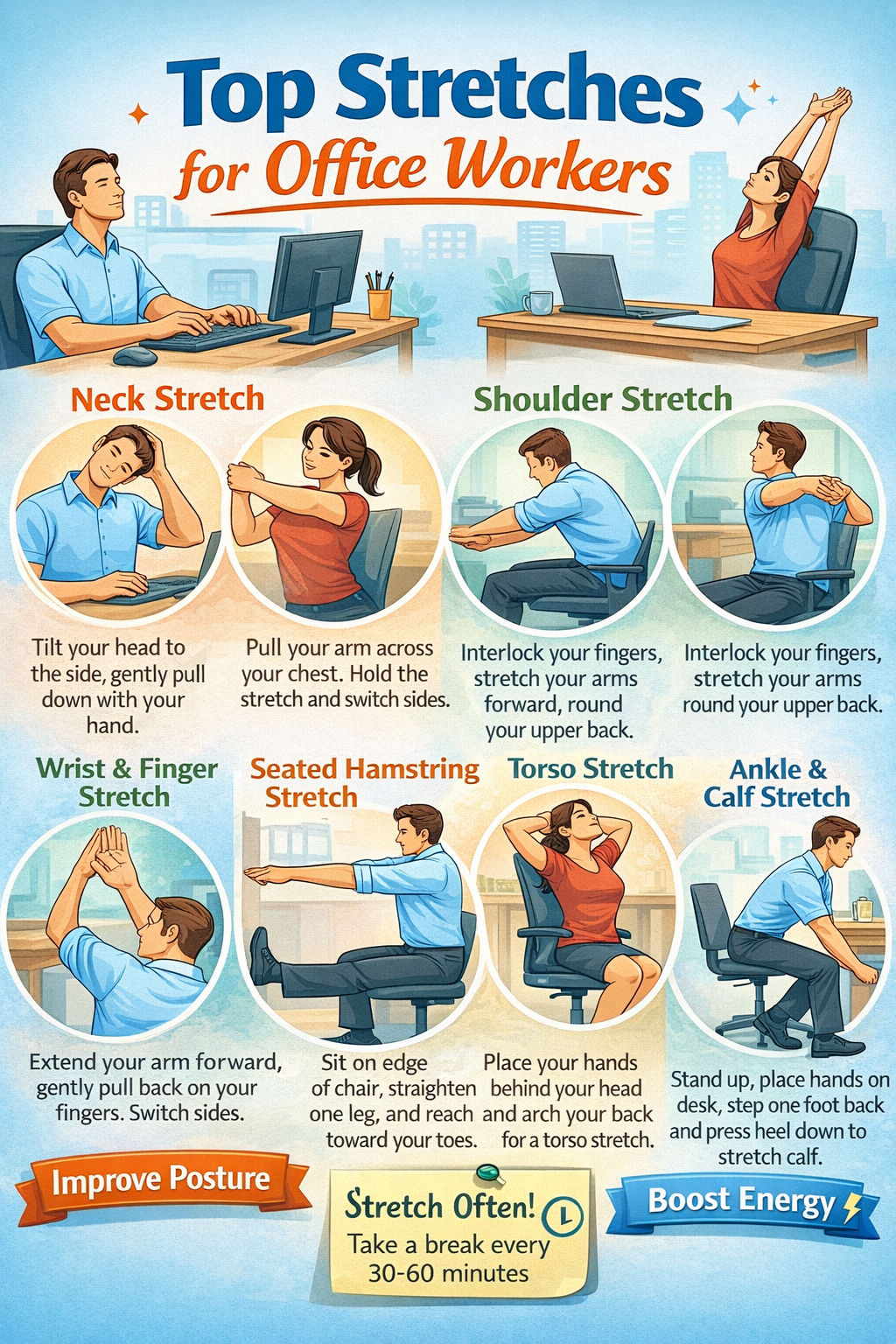
- Mindful breathing & relaxation: Take 5–10 minutes a day for deep breathing, or even try gentle yoga or stretching. Relaxing your breath often relaxes your spine, shoulders, neck — the built-in tension melts away.
- Posture check-ins: Sitting at a desk? Make a habit of dropping your shoulders, aligning your spine, bringing your screen to eye level. Small posture tweaks every hour make a huge difference over time.
- Move gently but regularly: Walk, stretch, do light back/neck mobility work. Long periods of sitting — especially under stress — are a bad combination for your spine.
- Manage stress consciously: Meditation, journaling, hobbies, breaks from work, and social connections. Reducing psychological stress reduces muscle tension, helps nervous‑system regulation (sympathetic ↔ parasympathetic balance), and stops the cascade that harms your spine.
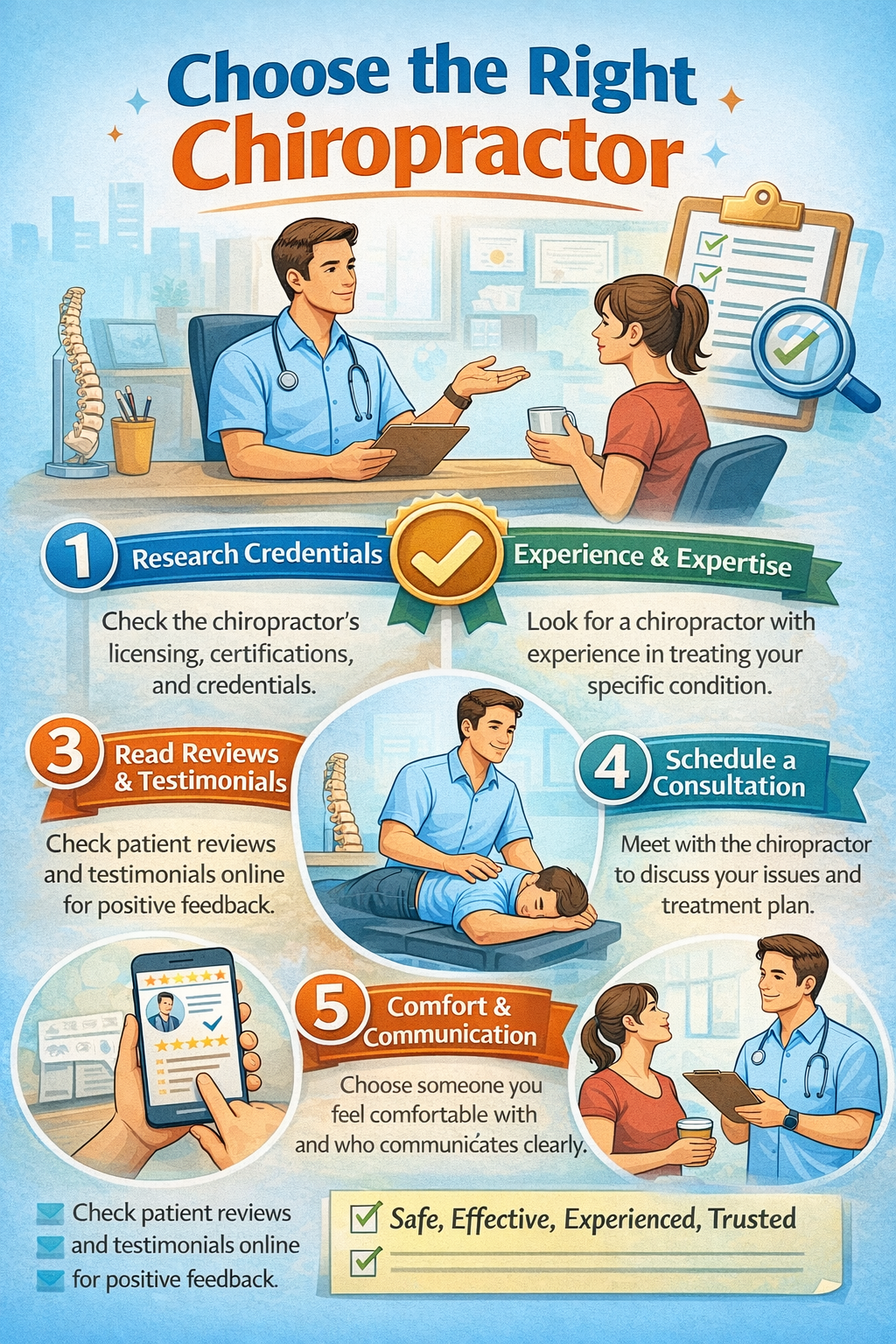
- Seek professional help if needed: If chronic tightness, numbness, tingling, or persistent pain appears, consult a qualified spine or neurologic specialist. Sometimes manual therapy or physiotherapy helps to realign the spine and relieve nerve pressure.
Final Thoughts — Your Spine’s Silent Story
Think of your spine like the central pillar of a tent — when the ground shakes a little, the tent holds. But if the shaking never stops, the pillar starts tilting, then cracking. Chronic stress is that persistent tremor, subtle but harmful. If you ignore it, the tent might collapse. But with awareness, small adjustments, and a little care, your spine can stay steady, strong.
I’ve had days when I realised — maybe that nagging back ache isn’t just sitting too long, it’s my brain racing, my muscles bracing, my spine holding the weight of worries. And once I made small changes — posture breaks, breathing pauses, light movement — things got better. Not perfect. But better. And that matters.
So next time work piles up or life feels overwhelming — pause. Breathe. Sit up straight. Give your spine and nervous system a chance to catch up. You might be surprised at how much relief it brings.