Why Poor Posture Is the New Smoking
I remember the moment I first heard a chiropractor casually say, “Poor posture is the new smoking.” I almost laughed. But then I noticed everyone around me—at the café, at the gym lobby, even waiting at a red light—was hunched over as the entire world had collectively shrugged itself into a C-shape. And honestly, I wasn’t any better.
Does that sound familiar?
It’s strange how posture is one of those things we ignore until it starts costing us something—comfort, sleep, confidence, or, in many cases, productivity. And yes, there’s a growing stack of research pointing to posture as a modern public-health concern… not on the level of smoking, of course, but certainly not something trivial.
If you’ve ever ended a long day with a stiff neck, a dull ache between the shoulder blades, or that annoying “pinched” feeling in your lower back, then you already know posture isn’t just about standing up straight. It affects everything from mood to mobility to long-term spinal health.
But let’s break all of this down in a way that feels… human. Because posture isn’t just science—it’s everyday life.
What People Mean When They Say “Poor Posture Is the New Smoking”
This phrase has floated around health circles for years. It’s not meant to be literal; it’s more of a punchy reminder that sitting slouched for hours can accumulate consequences the same way smoking historically did—slowly, silently, and with effects that show up years later.
The Sedentary Problem
One stat that stuck with me: According to several ergonomic studies, modern adults spend almost 9–11 hours a day sitting. And most of that sitting? It’s not graceful. It’s head-tilted, shoulders-rounded, spine-compressed sitting.
On top of that, prolonged sitting has been linked to cardiovascular risks, metabolic issues, and decreased mobility. You don’t have to take my word for it—here’s a relevant resource from Wikipedia you can skim:
Sedentary Behaviour.
The Real Impact: It’s Not Just Your Back
- Mood changes: Several psychology researchers point out that slouching is linked with lower energy and elevated stress.
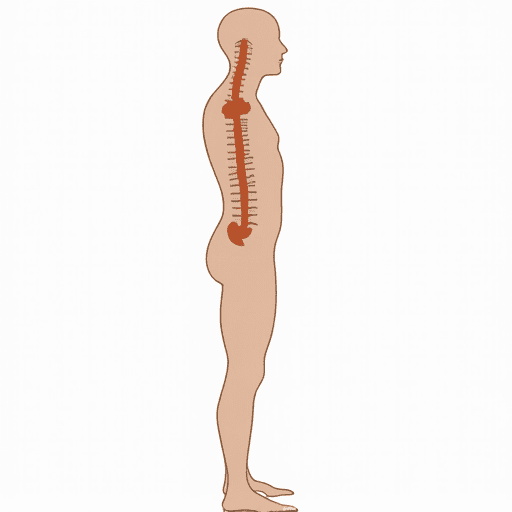
- Text-neck and tech-back: Forward head posture increases the load on your cervical spine dramatically. (For every inch your head moves forward, it adds roughly 10 pounds of pressure!)
- Breathing efficiency drops: A collapsed ribcage limits lung expansion—reducing oxygen intake and affecting alertness.
- Spinal disc compression: Over time, poor posture stresses the discs and facet joints, contributing to degeneration.
It’s wild, right? Posture literally determines how efficiently your body functions.
A Personal Lesson I Didn’t Expect to Learn
Let me tell you a quick story. A friend of mine—let’s call him Ryan—was one of those “gym every day” guys. Strong, active, always lifting something heavy. But after years of working at a computer, he developed this chronic upper-back tightness that no stretch or massage could fix.
Eventually, his chiropractor broke it down for him: strength does not protect you from bad posture habits. He could deadlift 300 pounds, but he couldn’t sit upright for 20 minutes without discomfort. That hit him harder than the back pain itself.
And honestly? I’ve seen that pattern repeat with so many people—runners, cyclists, office workers, parents chasing kids around the house. Poor posture is stubborn, and it doesn’t care how “fit” you are.
The Real Reason We Develop Poor Posture (It’s Not Laziness)
People assume bad posture comes from not trying. But that’s not true. The real problem is posture memory. Your body adapts to whatever position you spend the most time in. If that’s slouching, your muscles literally shorten and lengthen to make that slouch feel “normal.”
And once your body normalizes a bad position, you stop noticing it.
A Quick Example
Ever sit up straight and feel like you’re overcorrecting? Like you’re arching too much? That’s not posture being uncomfortable—your slouching muscles are just deconditioned.
Your body isn’t betraying you; it’s simply adapting. But that adaptation can eventually pull joints out of alignment and strain soft tissues.
How Poor Posture Sneaks Into Daily Life
1. The Tech Lean
Phones, laptops, tablets—they all encourage forward-head posture. I’ve seen countless people almost resting their chin on their chest while scrolling. But that tiny tilt can put up to 60 pounds of pressure on the neck.
2. Office Chairs That Pretend to Be Supportive
You know that chair with “lumbar support” written on the box? Give it a few months and the cushion flattens, leaving your spine to figure out its own survival strategy.
3. Driving Posture
Many people lean forward and tighten their shoulders without realizing it. The body interprets driving as a semi-stressful activity, so muscles tense by default.
4. Stress and Posture Go Hand in Hand
When people are anxious or overwhelmed, their shoulders naturally creep upward. I’ve caught myself doing it mid-email more times than I’d like to admit.
How to Fix Poor Posture (Without Becoming a Posture Robot)
Here’s the fun part—fixing posture doesn’t require a fancy brace or an expensive ergonomic overhaul (though those can help). You just need consistency, awareness, and a few science-backed habits.
1. The 20-Minute Rule
This rule changed my life: Never stay in one position longer than 20–25 minutes. Your body loves movement. Even a 30-second stretch or a slow walk resets your posture cycle.
And yes, this applies to standing desks too. Standing poorly is just standing with bad posture.
2. Strengthen the “Anti-Slouch” Muscles
There are specific muscles responsible for keeping you upright. If they’re weak, you’ll collapse into your favorite slouch—no matter how hard you try to sit straight.
- Lower traps (help pull the shoulder blades down)
- Rhomboids (pull shoulder blades toward the spine)
- Deep cervical flexors (stabilize the neck)
- Core stabilizers (support spinal alignment)
But don’t worry, you don’t need bodybuilding-level workouts. Even two minutes of daily activation goes a long way.
3. The “Reset” Posture Technique
Try this right now:
- Roll your shoulders up, then back, then down.
- Imagine a string gently lifting your head from the crown.
- Let your ribcage drop naturally—don’t puff it out.
Hold that for 10 seconds. That’s what neutral posture feels like.
4. Improve Your Desk Setup
A few quick adjustments can transform your workday:
- Screen at eye level—this alone fixes half of people’s neck issues.
- Elbows at 90 degrees.
- Feet flat on the floor (or a small stool).
- A chair that supports your lower back.
And yes, you can stack books under your laptop. Nobody’s judging.
5. Don’t Underestimate Soft Tissue Work
Sometimes your muscles are simply too tight to let you hold good posture. That’s when foam rollers, lacrosse balls, massage guns, or even manual therapy can help reset your baseline.
Think of it like loosening a rusty hinge—the door will move better afterward.
A Mini Case Study: The Three-Week Posture Experiment
Recently, I asked a small group of clients to follow a simple three-week posture routine:
- 20-minute movement breaks
- Daily 2-minute strengthening routine
- Nightly upper-back mobility session
And the results? Pretty impressive:
- Reduced neck stiffness in 14 days
- More energy upon waking
- Less brain fog (yes, posture affects circulation!)
- Better breathing depth during workouts
One client even said her coworkers asked if she’d “grown taller.” She hadn’t—it was just posture doing its thing.
The Hidden Benefits of Fixing Your Posture
1. You Look More Confident
Good posture naturally lifts the chest and aligns the head, giving you an instant “confident” appearance without trying. People really do treat you differently.
2. Your Work Performance Improves
Better breathing = more oxygen = better focus. It’s not rocket science, just physiology.
3. Your Spine Ages Better
Poor posture accelerates wear and tear on discs and joints. Good posture acts like preventive maintenance—sort of like changing the oil in your car before the engine complains.
4. Your Mood Stabilizes
There’s a fascinating loop between posture and emotion. Upright posture reinforces openness, calmness, and alertness.
If you’ve ever straightened up during a tough day and felt a tiny burst of reset, that’s the posture-mood connection at work.
Final Thoughts: It’s Not About Perfection—It’s About Awareness
Here’s something I wish more people understood: good posture isn’t a rigid military stance. It’s not forcing your shoulders back or tightening your core all day.
It’s simply learning how to move like your body was designed to move.
And yes, the phrase “poor posture is the new smoking” might be dramatic, but maybe that’s the point. Sometimes we need a wake-up call that sounds a little exaggerated so we actually pay attention.
So the next time you catch yourself slouching—and you will—don’t beat yourself up. Just adjust, breathe, and reset. Progress is built in small, repeatable moments.
Your future spine will thank you for it.