The Difference Between Chiropractic Care and Physical Therapy
By someone who has personally bounced between chiropractic and physical therapy more times than I can admit.
If you’ve ever dealt with nagging back pain, that “I-slept-wrong-but-it’s-lasted-3-days” kind of stiffness, you’ve probably Googled your way into a familiar debate: Should I see a chiropractor or a physical therapist? And trust me—I’ve been there. A few years ago, after twisting my back while lifting a water can (yes, a water can… don’t laugh), I found myself hopping between both professions trying to figure out which one actually made a difference.
But here’s the thing—most people lump chiropractic care and physical therapy together. They’re both hands-on, often work with pain, and involve movement. But the approaches? Pretty different. Sometimes, even the goals aren’t the same. And that’s exactly what we’re diving into today—minus the boring textbook definitions.
Understanding the Foundations: What Each Profession Is Designed For
Before we get into case studies, personal stories, and those quirky lessons I wish I learned earlier, it helps to understand the basic foundations. According to Wikipedia’s entry on Chiropractic, chiropractic care is largely centered around diagnosing and treating musculoskeletal disorders—especially issues tied to the spine. Physical therapy, meanwhile, comes from a different tradition altogether, with strong roots in rehabilitation, post-injury recovery, and functional movement sciences (Wikipedia’s Physical Therapy page).
And yes, they overlap—but overlap doesn’t mean “same thing.” Think of it like cricket vs. baseball: both involve bats and balls, but the gameplay, rules, and mindset are wildly different.
Personal Story: The Day My Chiropractor Said, “You Don’t Need Me—You Need a Physio.”
Let me tell you something that surprised me. Many years ago, I walked into a chiropractor’s clinic expecting an adjustment. I had a hip issue that made climbing stairs feel like I was 90. After examining me, he just smiled and said, “Your hip isn’t out of alignment. Your glutes just aren’t firing. You need strengthening, not adjusting.”
That was the day I realized: chiropractors and physical therapists aren’t competing—they complement each other. But each profession does have its lane.
So What Exactly Does a Chiropractor Do?
1. Focus on the Spine and Nervous System
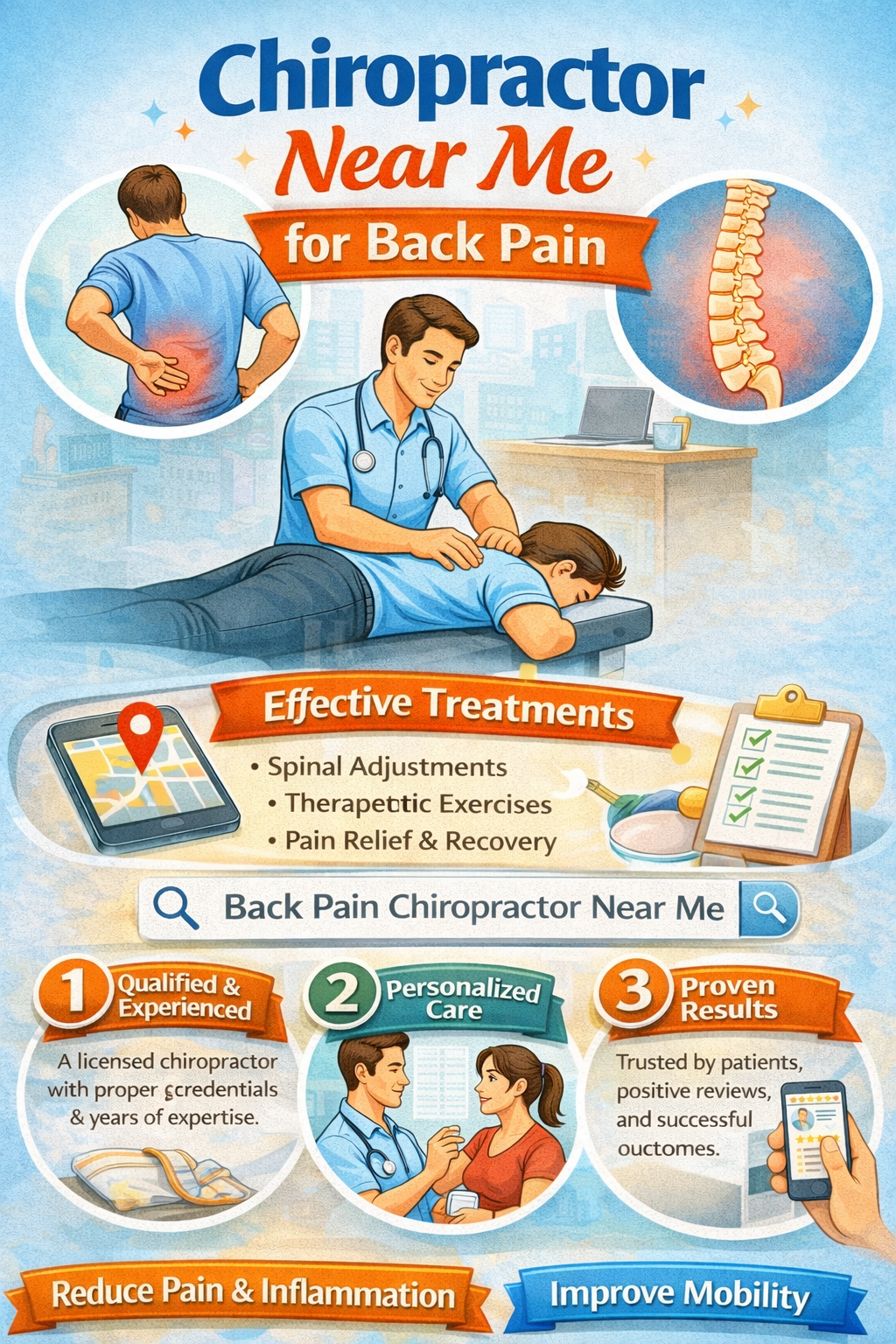
Most chiropractic treatments revolve around spinal adjustments, joint mobilization, or manipulation. The idea is simple (maybe too simple, depending on who you ask): if a joint isn’t moving correctly, it affects nerves, which affects everything else.
One thing most people don’t know? Chiropractors undergo extensive training in neurology and radiology. Many can read X-rays better than general physicians because spinal biomechanics is their bread and butter.
2. Adjustments Aren’t Random
You know those viral “cracking” videos where people’s backs sound like bubble wrap? Yeah… real adjustments don’t happen like that. A good chiropractor doesn’t just “crack everything.” They assess alignment, nerve tension, muscle guarding, and sometimes even gait patterns before touching you.
Does that sound familiar—going to someone expecting a quick fix, only to get a full lecture on posture and desk ergonomics? Been there.
3. Great for:
- Acute lower back pain
- Neck stiffness after long screen hours
- Sacroiliac joint dysfunction
- Tension headaches linked to posture
- Thoracic immobility (especially in people who sit a lot)
What Does a Physical Therapist Actually Do?
1. Rehab, Strength, and Corrective Movement
If chiropractic care is about restoring proper motion in joints, physical therapy is more like teaching your body to move correctly again. After my dumb water-can injury, it was my PT who taught me proper hip hinge mechanics. He literally said, “Your spine isn’t the issue. Your glutes are lazy.” Not the most flattering feedback, but accurate.
2. Deep Knowledge of Muscles and Movement
Physical therapists excel at finding dysfunctional movement patterns. They think in terms of:
- muscle imbalances,
- weakness chains,
- compensations,
- tissue healing timelines,
- range of motion, flexibility, and strength ratios.
I once had a therapist tell me, “Your back keeps hurting because your ankle mobility is limited.” At first I thought he was joking—until he showed me how, during squats, my ankles restricted good form, forcing my spine to compensate. Wild, right?
3. Great for:
- Post-injury recovery
- Sports injuries like sprains, strains, and tendonitis
- Post-surgical rehabilitation
- Chronic mobility restrictions
- Weakness or poor movement patterns
A Mini Case Study: Two People, Same Pain, Different Solutions
Here’s a real-world example based on clients I’ve seen during volunteer work at a community wellness event in Pune last year:
Case Study 1: Ankita, 34
Symptoms: Sharp lower back pain every time she bends forward.
Root Cause: SI joint dysfunction.
Best Fit: Chiropractic adjustment restored movement almost immediately. PT later helped maintain it through strengthening.
Case Study 2: Rohan, 29
Symptoms: General back aches after sitting all day.
Root Cause: Poor posture and weak core/glutes.
Best Fit: PT-led exercise program + ergonomic training. An adjustment wouldn’t have fixed the root cause.
Where People Get Confused (And Why It Matters)
Most patients assume all back pain is spinal alignment. Or assume physical therapy means getting a couple of massages and leg raises. Not true. And misunderstanding this can lead to choosing the wrong treatment, which then leads to frustration.
Here’s what I tell people when they ask:
- If you want immediate relief → Chiropractor.
- If you want long-term correction → Physical therapist.
- If you want both → Combine them.
Yes, it really can be that simple.
The Science Side of It (But In Simple Words)
1. Chiropractors = Joint Manipulation
Adjustments stimulate mechanoreceptors in the joints. This can immediately reduce pain by modulating nervous system responses. It’s fast-acting.
2. Physical Therapists = Tissue Remodeling
PT exercises help remodel soft tissue, increase tendon load-bearing capacity, and correct muscular firing patterns. This is slower—but longer-lasting.
One isn’t “better” than the other; they operate on different biological principles.
Common Myths People Still Believe
“Chiropractors just crack backs.”
Completely false. Modern chiropractic includes soft tissue therapy, rehab exercises, neuromuscular re-education, and even lifestyle counseling.
“Physical therapy is just exercise.”
Also false. PT includes manual therapy, cupping, dry needling, myofascial release, and advanced functional testing.
“You have to choose one.”
Nope. The best clinics today integrate both. Sports teams do it all the time—just look at injury management protocols followed by professional athletes.
Local Context: Why This Debate Is Huge in India Right Now
In cities like Mumbai, Pune, and Bengaluru, chiropractic clinics have exploded over the past five years. Part of it is social media—those viral neck-crack videos have created curiosity. But the rise of WFH culture has also led to more posture-related issues. Physical therapy, on the other hand, has been established in India for decades, especially in hospitals and sports rehab centers.
I recently spoke to a physio in Baner who said half of her new patients are software engineers dealing with upper-back tightness. Meanwhile, a chiropractor in Koregaon Park told me more people visit him after long drives on the Mumbai–Pune Expressway because “their back gets locked.” That’s such a local thing to admit, but painfully relatable.
Visit: localchiropractorslist.com
So Which One Should **You** Choose?
Here’s a simple rule of thumb I’ve given dozens of friends and relatives:
- If your pain is sudden, sharp, or feels “locked,” → try chiropractic first.
- If your pain feels dull, mechanical, or chronic, → start with physical therapy.
- If you’ve had surgery or a clear injury (like ACL tear), → definitely physical therapy.
- If you want best of both worlds → combine the two.
And yes, sometimes you need to experiment. Bodies are weird like that.
Final Thoughts (Slightly Imperfect, Because Life Is)
Look, no blog—even a big 2000-word one—can tell you exactly what to do with your body. But if there’s one thing I’ve learned from my own messed-up back, it’s this: healing isn’t about choosing the “right camp”—it’s about choosing the right approach for your specific situation.
And maybe, just maybe, don’t try lifting a full 20-litre water can alone again. (A lesson I learned the hard way.)
If this sounds like something you’ve been dealing with lately—especially that annoying mid-back soreness at the end of every workday—don’t ignore it. Your spine may not scream for attention, but it does whisper.