How to Know Whether Pain Is Muscular, Nerve, or Spinal
I’ll be honest right from the start—pain is confusing. Pain Is Muscular, Nerve, or Spinal. Even after years of reading research papers, talking to physical therapists, and dealing with my own stubborn lower-back issues (the kind that show up uninvited at 6 AM for absolutely no reason), I still occasionally misjudge where a pain is coming from. And maybe that’s the point: understanding pain is part science, part intuition, and part “Wait… have I felt this before?”
In this guide, I’m walking you through the practical stuff most people actually want to know—how to tell if what you’re feeling is muscular, nerve-related, or coming from the spine itself. Not the super sterile textbook explanations, but the real-life signs people notice when they wake up stiff, sit too long during a Netflix binge, or pull something at the gym because they “thought they still had their college flexibility.”
And yes, I’ll sprinkle in a few quirks because, well, humans write like humans, right?
When You Should Seek Professional Help
Not to sound dramatic, but certain pain symptoms shouldn’t be ignored. If you notice any of these, speak to a chiropractor, orthopedic doctor, or physiotherapist. If you’re looking for a chiropractor in your area, you can also explore localchiropractorslist.com to find chiropractic care options.
- Pain lasting more than 2–3 weeks
- Severe shooting pain with numbness
- Weakness in legs or hands
- Loss of bladder control (emergency)
- Pain from a fall or accident
- Pain that keeps waking you up at night
Why Understanding the Source of Pain Matters More Than You Think
Once, when I spoke with a chiropractor in Pune, he said something that stuck with me: “People try to fix muscle pain with nerve treatments and nerve pain with muscle stretches. And then they wonder why nothing changes.”
He wasn’t wrong. Pain misdiagnosis—especially self-diagnosis—can stretch recovery time by months. According to studies referenced on Wikipedia’s page on pain, pain pathways and perception are highly complex, shaped by nerves, muscles, the spine, and even emotional context. But let’s not go too academic—I’ll break it down like your physiotherapist friend who always overexplains things at parties.
Plus, getting the source right helps you choose the proper treatment:
- Muscular pain → stretching, massage, heat therapy
- Nerve pain → decompression, mobility work, sometimes medication
- Spinal pain → posture correction, strengthening, structural assessment
Simple on paper. Not-so-simple when your lower back decides to imitate a malfunctioning robot.
Muscular Pain: The “Did I Overdo It Yesterday?” Kind of Pain
What Muscular Pain Usually Feels Like
Muscle pain—also called myalgia—is the most common and the most misunderstood. Most people describe it as:
- A dull, achy, or tight feeling
- Soreness that increases when pressing the area
- Pain that improves with rest or heat
- Stiffness first thing in the morning that “warms up” after moving
Ever done squats after skipping leg day for months? That’s muscular pain. Or that shoulder burn after lifting groceries like they were dumbbells—yep, same family.
The Personal Experience That Opened My Eyes
There was a time after a road trip from Mumbai to Goa—yes, the scenic route—that I felt a deep ache in my mid-back. I was convinced something was wrong with my spine. But nope… turned out it was just my rhomboids yelling at me for slouching like a question mark for 12 straight hours. Heat, stretching, and one slightly painful massage sorted it out in 48 hours.
Does that sound familiar?
Signs Your Pain Is Most Likely Muscular
- Pain worsens when the muscle is used
- The area feels tender when pressed
- You notice knots or tight bands (trigger points)
- Relief after a warm shower or topical muscle rub
- Stiffness improves after moving around
But here’s the curveball: muscular pain can sometimes mimic nerve or spinal pain if the muscle is tight enough to press on nearby nerves. That’s why guessing pain sources becomes a bit of a detective story.
Nerve-Related Pain: Sharp, Zappy, Lightning-Bolt Sensations
You know that one friend who says, “I felt something shoot down my leg”? That’s nerve pain. When nerves get irritated or compressed, they behave dramatically. They don’t whisper—they scream.
What Nerve Pain Feels Like
Nerve pain (neuropathic pain) is distinct, often described as:
- Sharp, shooting, or electric-like sensations
- Pain radiating along a path (like down the leg or arm)
- Numbness, tingling, or pins and needles
- Burning or cold sensations without a temperature change
- Symptoms that worsen when bending, twisting, or sitting too long
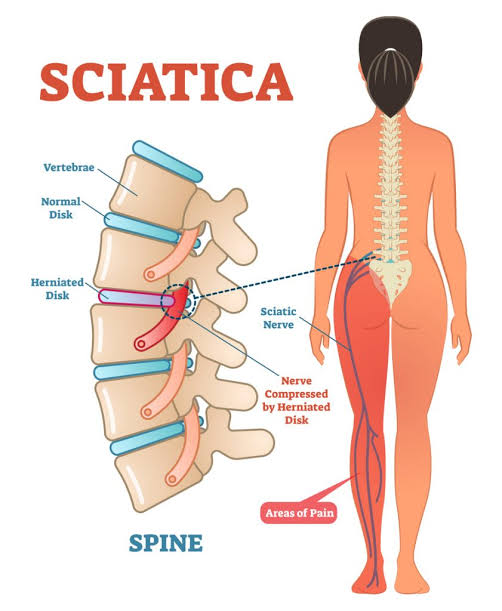
One of the classic culprits? Sciatica. And yes, it’s as annoying as everyone claims.
A Real Case Study (From a Local Physio)
A physiotherapist in Thane told me about a client—let’s call him Arjun—who came in complaining of “calf pain.” He thought it was a pulled muscle from running. But the physio noticed something: the pain didn’t increase with calf pressure, but it did worsen when Arjun bent forward. Boom. Sciatic nerve involvement.
Two sessions later, after spinal mobility work and nerve glides (simple ones you can literally do sitting on your sofa), his “calf pain” was reduced by half. Muscle pain? Not even close.
Common Causes of Nerve Pain
- Herniated discs
- Spinal stenosis
- Inflamed muscles pressing on nerves
- Poor posture over months or years
- Injuries from lifting or sports
Want a simple test? If the pain feels like it’s traveling—or if certain movements create a sudden electrical or burning sensation—you’re likely dealing with nerve-based pain.
Spinal Pain: When the Backbone Itself Is the Source
Your spine is like the central pillar of your house. If something’s off—alignment, structure, load—it affects everything. And spinal pain is a different beast compared to muscle aches or nerve zaps.
How Spinal Pain Feels
Spinal pain is often described as:
- Deep, structural discomfort
- Pain that increases with prolonged standing or sitting
- A feeling of compression or pressure
- Limited range of motion
- Pain along the spine rather than in soft tissue
But here’s the twist: spinal pain often causes muscle pain around it and nerve pain radiating from it. That’s why diagnosing the source gets messy.
A Local Trend I’ve Seen (Especially After Work-From-Home Became the Norm)
Back in 2020, ergonomic chairs were sold out in India. Remember that? Everyone was working from their sofas, beds, dining chairs… basically anywhere except an actual workspace. PT clinics across the country reported a surge in spinal misalignment cases—especially upper back and neck pain caused by screens placed too low.
Even the Indian Journal of Public Health published a study noting a significant increase in musculoskeletal issues during the work-from-home boom. Could part of your own pain be tied to lifestyle shifts? Possibly.
Red Flags That Suggest Spinal Involvement
- Pain deep in the spine that doesn’t change much when pressing the area
- Difficulty bending or rotating without stiffness
- Pain accompanied by numbness or leg weakness
- Pain after sitting long hours at an uncomfortable workstation
- History of injuries (sports, car accidents, lifting heavy weights)
Sometimes spinal pain needs expert evaluation—not because it’s dangerous, but because catching the cause early speeds up recovery dramatically.
Muscle vs. Nerve vs. Spine: How to Tell the Difference
Quick Comparison Table
| Type of Pain | Typical Sensation | Worsens With | Improves With |
|---|---|---|---|
| Muscular | Dull, achy, tight | Pressing the muscle, movement | Heat, rest, gentle stretching |
| Nerve | Shooting, burning, tingling | Sitting, bending, compression | Nerve glides, spinal decompression |
| Spinal | Deep, structural, stiff | Long sitting/standing, twisting | Posture correction, strengthening |
But remember—real life isn’t always as tidy as a table. Sometimes pain overlaps. Sometimes symptoms mislead. And sometimes it’s just your body saying, “Take a break, buddy.”
Mini Self-Assessment (That I Learned From a Sports Rehab Specialist)
Test 1: The Pressure Test
Press your fingers gently into the painful area.
- If pressure increases the pain → muscular
- If pressure doesn’t change it → spinal or nerve
Test 2: The Movement Test
Try bending forward and backward.
- Forward bending worsens pain → possibly spinal disc or nerve
- Backward bending worsens pain → spinal facet joints
- Both feel better after moving → likely muscular
Test 3: The Radiating Test
Ask yourself: “Does the pain stay in one spot or travel?”
- Stays in one place → muscle
- Travels to limbs → nerve
Simple. Not perfect. But surprisingly helpful.
Why Posture and Lifestyle Matter (More Than People Admit)
One thing I’ve learned—both personally and from professionals—is that pain rarely appears “suddenly.” Even injuries that seem sudden usually have weeks or months of buildup. Poor posture, weak core muscles, muscle imbalances, long commutes, stress, even dehydration… they all play a role.
Think of it like a Jenga tower. It looks stable until someone touches the wrong block.
Common Everyday Triggers (That Sneak Up on You)
- Sitting with legs crossed for hours
- Sleeping on a very soft or very old mattress
- Looking down at your phone (text neck)
- Lifting without bracing your core
- Overtraining at the gym (we’ve all been guilty)
Sometimes the solution is as simple as adjusting your workspace or taking a 2-minute stretch break every hour.
When You Should Seek Professional Help
Not to sound dramatic, but certain pain symptoms shouldn’t be ignored. If you notice any of these, speak to a chiropractor, orthopedic doctor, or physiotherapist:
- Pain lasting more than 2–3 weeks
- Severe shooting pain with numbness
- Weakness in legs or hands
- Loss of bladder control (emergency)
- Pain from a fall or accident
- Pain that keeps waking you up at night
Professionals don’t just treat the pain—they decode the cause. And that makes all the difference.
A Practical Roadmap to Managing Each Type of Pain
For Muscular Pain
- Heat therapy (15–20 minutes)
- Gentle stretching (hamstrings, hip flexors, back)
- Massage or foam rolling
- Hydration + electrolytes
For Nerve Pain
- Nerve gliding exercises
- Spinal mobility routines
- Avoid long static postures
- Use a lumbar support pillow
For Spinal Pain
- Improve workstation ergonomics
- Strengthen back + core muscles
- Check for muscular imbalances
- Maintain neutral spine during lifting
Remember: pain management is a journey, not a one-time hack.
The Takeaway (A More Human One)
If I’ve learned anything from battling my own back pain phases, it’s this: your body always gives clues. Sometimes subtle, sometimes dramatic, sometimes downright confusing. But with a little awareness—and a bit of trial and error—you can usually figure out which system is crying for attention.
Is your pain muscular, nerve-related, or spinal? You may already have a pretty good idea now. And if not… that’s okay too. Healing isn’t linear, and understanding your pain is half the battle.
And hey—next time your back acts up after sitting weirdly for hours, at least you’ll know which type of pain you’re dealing with.