
Chiropractic vs Physical Therapy
When dealing with chronic pain, injury recovery, or musculoskeletal issues, two of the most common treatment options recommended are Chiropractic vs Physical Therapy. While both aim to relieve pain and improve functionality, they use different methodologies and philosophies. This article explores the core differences between chiropractic care and physical therapy, helping you determine the best option for your individual needs.
Understanding the Basic
What Is Chiropractic Care?
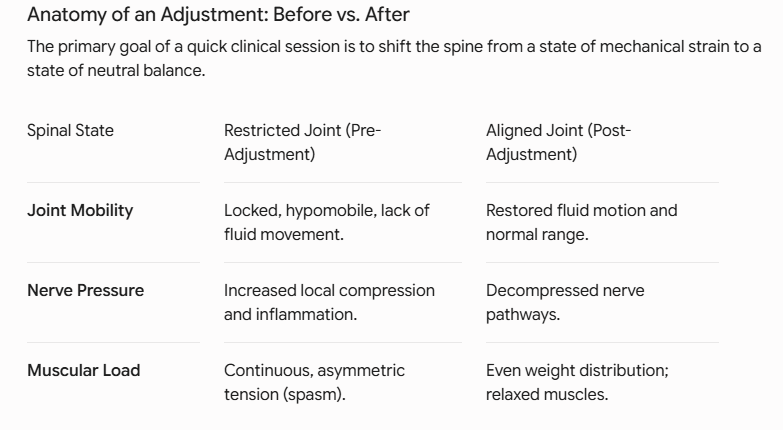
Chiropractic care is a health care discipline focused on diagnosing and treating mechanical disorders of the musculoskeletal system, especially the spine. Chiropractors primarily use manual adjustments and spinal manipulation to align the body and promote healing. The foundation of chiropractic treatment is the belief that proper spinal alignment enables the body to heal itself without medication or surgery.
What Is Physical Therapy?
Physical therapy, also known as physiotherapy, involves evaluating, diagnosing, and treating disorders of the musculoskeletal system through exercises, manual therapy, education, and movement-based therapies. Physical therapists aim to restore mobility, improve function, and prevent further injury through rehabilitative techniques.
Core Differences Between Chiropractic and Physical Therapy
1. Philosophy and Focus
Chiropractic care emphasizes spinal alignment and the nervous system. Chiropractors believe that spinal misalignments, or subluxations, affect the body’s overall health and cause various ailments.
Physical therapy, on the other hand, focuses more on improving strength, flexibility, and range of motion. PTs aim to rehabilitate specific areas through exercise and patient education.
2. Treatment Techniques
Chiropractors typically use techniques such as:
- Spinal manipulation
- Joint adjustments
- Soft tissue therapy
- Laser therapy and electrical stimulation
Physical therapists use techniques like:
- Targeted exercises
- Stretching and strengthening programs
- Manual therapy
- Ultrasound and heat/ice treatments
3. Education and Certification
Chiropractors earn a Doctor of Chiropractic (D.C.) degree and must pass national board exams. Their training emphasizes spinal anatomy, radiology, and hands-on adjustments.
Physical therapists earn a Doctor of Physical Therapy (DPT) degree. Their education is grounded in movement science, therapeutic exercise, and rehabilitation practices.
Conditions Treated by Chiropractors and Physical Therapists
Common Chiropractic Conditions
- Back and neck pain
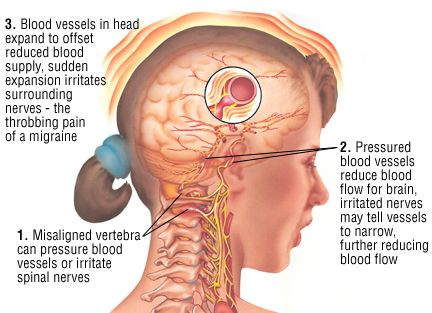
- Headaches and migraines
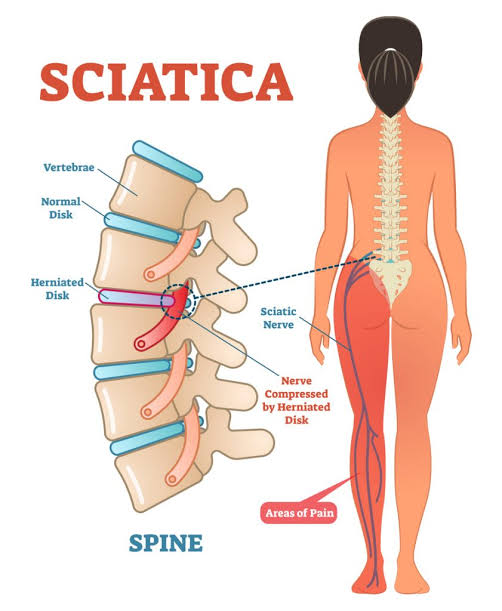
- Sciatica
- Joint pain (shoulder, knee, hip)
- Herniated discs
Common Physical Therapy Conditions
- Post-surgical recovery
- Sports injuries
- Stroke rehabilitation
- Arthritis and joint pain
- Mobility issues and balance problems
Benefits of Chiropractic Care
Many patients turn to chiropractors for:
- Drug-free pain relief
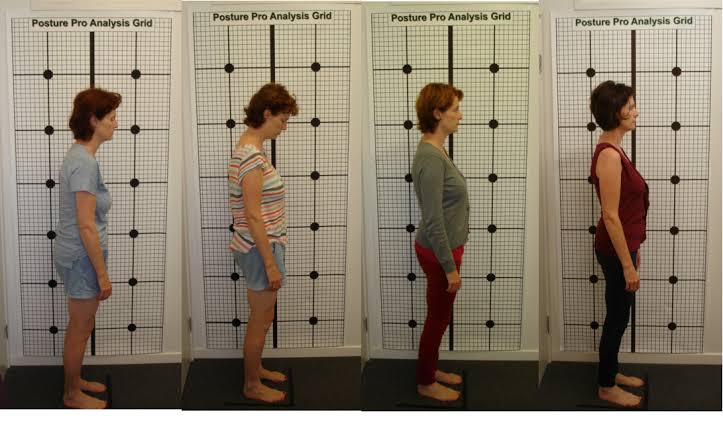
- Improved posture and spinal alignment
- Headache and migraine management
- Boosted immune system function
Benefits of Physical Therapy
Physical therapy offers:
- Improved range of motion
- Faster injury recovery
- Chronic condition management (e.g., Parkinson’s, MS)
- Fall prevention and improved balance
How to Choose the Right Treatment
When to See a Chiropractor
If you’re experiencing spinal-related pain, joint misalignments, or prefer a natural approach to healing without medication, chiropractic care may be ideal. Chiropractors are often sought out for chronic back pain, neck issues, and nerve compression syndromes.
When to See a Physical Therapist
If you’re recovering from surgery, have a sports injury, or need assistance regaining functional mobility, a physical therapist may be the better choice. PTs are experts in movement science and rehabilitation after trauma or surgical intervention.
Can You Combine Chiropractic and Physical Therapy?
Yes, combining both treatments can be highly effective. For instance, a patient recovering from a car accident may benefit from spinal adjustments for pain relief and physical therapy to rebuild strength and flexibility. Many clinics even offer both services under one roof to create comprehensive care plans.
Cost and Insurance Considerations
Both chiropractic and physical therapy are widely covered by insurance providers. However, coverage may vary based on your plan and diagnosis. It’s essential to verify whether your provider requires a referral or limits the number of sessions.
Final Thoughts
While chiropractic care and physical therapy share the common goal of enhancing health and well-being, they offer distinct approaches and benefits. Understanding the key differences helps you make an informed decision based on your specific health goals, condition, and preferences.
Whether you’re looking for targeted spinal adjustments or guided rehabilitation exercises, the best choice depends on your condition and the type of support you need.
Find a Chiropractor Near You
If you’re ready to explore chiropractic care, visit Local Chiropractors List to find licensed professionals near you. The platform helps you compare clinics, read reviews, and schedule appointments with ease.
FAQs
Q: Which is better, chiropractic care or physical therapy?
A: It depends on your condition. Chiropractic is ideal for spinal issues, while physical therapy is best for rehabilitation and functional mobility.
Q: Is chiropractic care safe?
A: Yes, chiropractic care is generally safe when performed by a licensed practitioner. Always consult a medical provider if you have underlying health issues.
Q: Can I receive both treatments simultaneously?
A: Absolutely. Many patients benefit from integrating both therapies, especially after injuries or surgeries.
Q: Do I need a referral for chiropractic or physical therapy?
A: Not usually for chiropractic care, but some insurance plans may require a referral for physical therapy.